Window Styles & Comparisons
What Is an Awning Window? Pros, Cons, Costs & Buying Guide (2026)
If you're weighing your window options and keep running into the term "awning window," you're not alone! It's one of the most popular window styles for homeowners who want ventilation without sacrificing energy efficiency. But what is an awning window exactly, what makes it different from other window types, and is it the right choice for your home?
This guide walks you through everything: how awning windows work, where they shine, how they compare to other window styles, and what to expect from installation.
Key Facts: What Is an Awning Window?
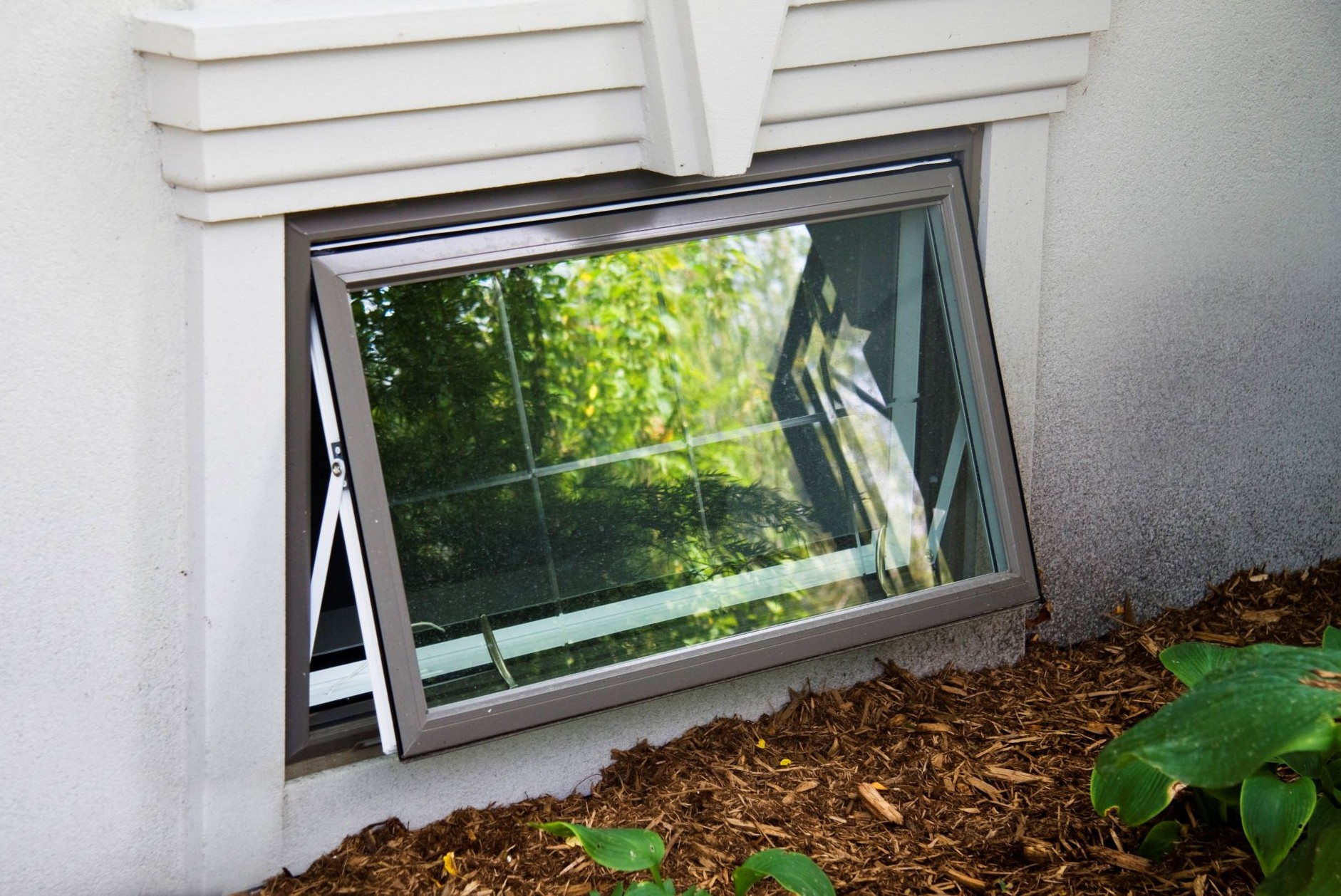
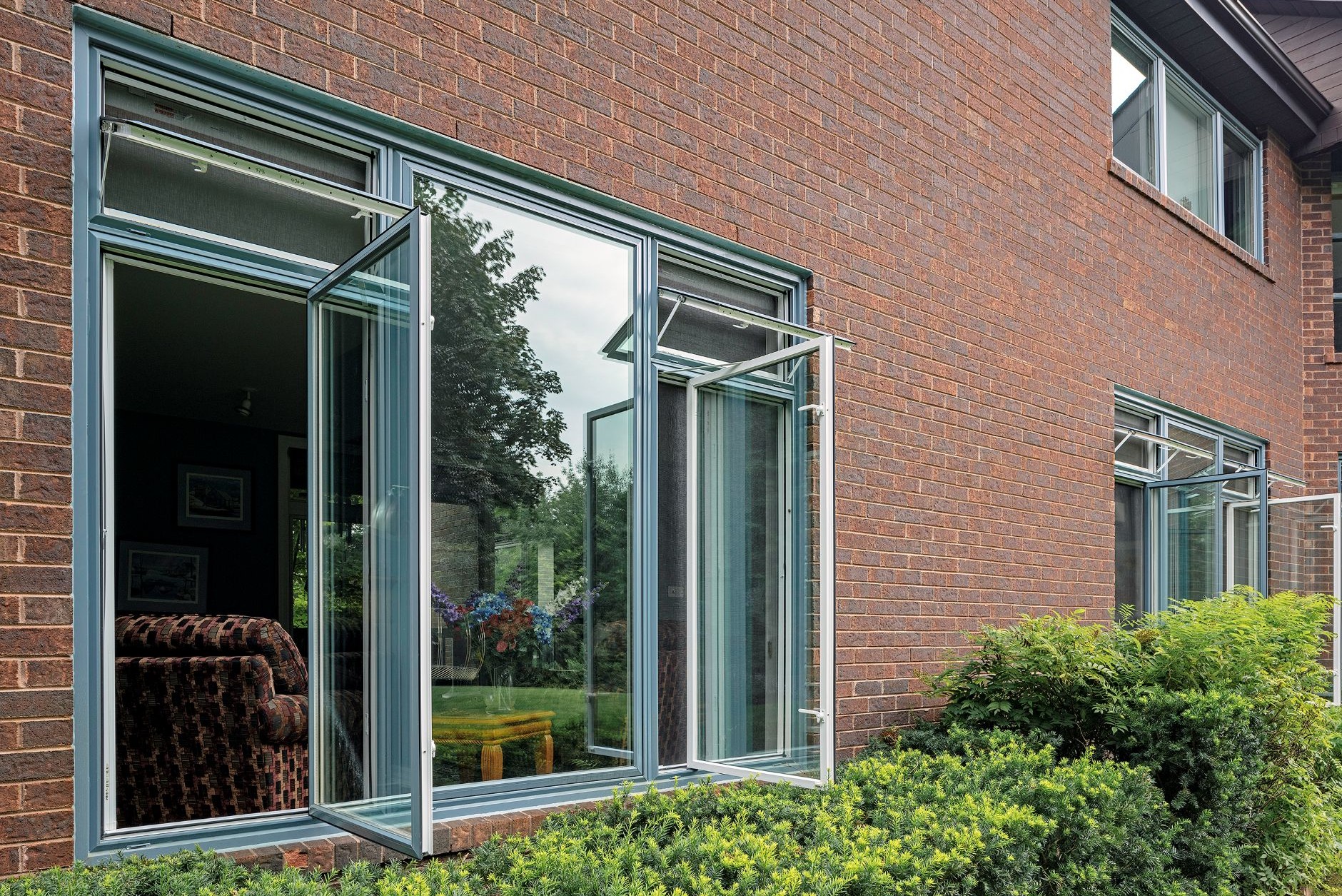
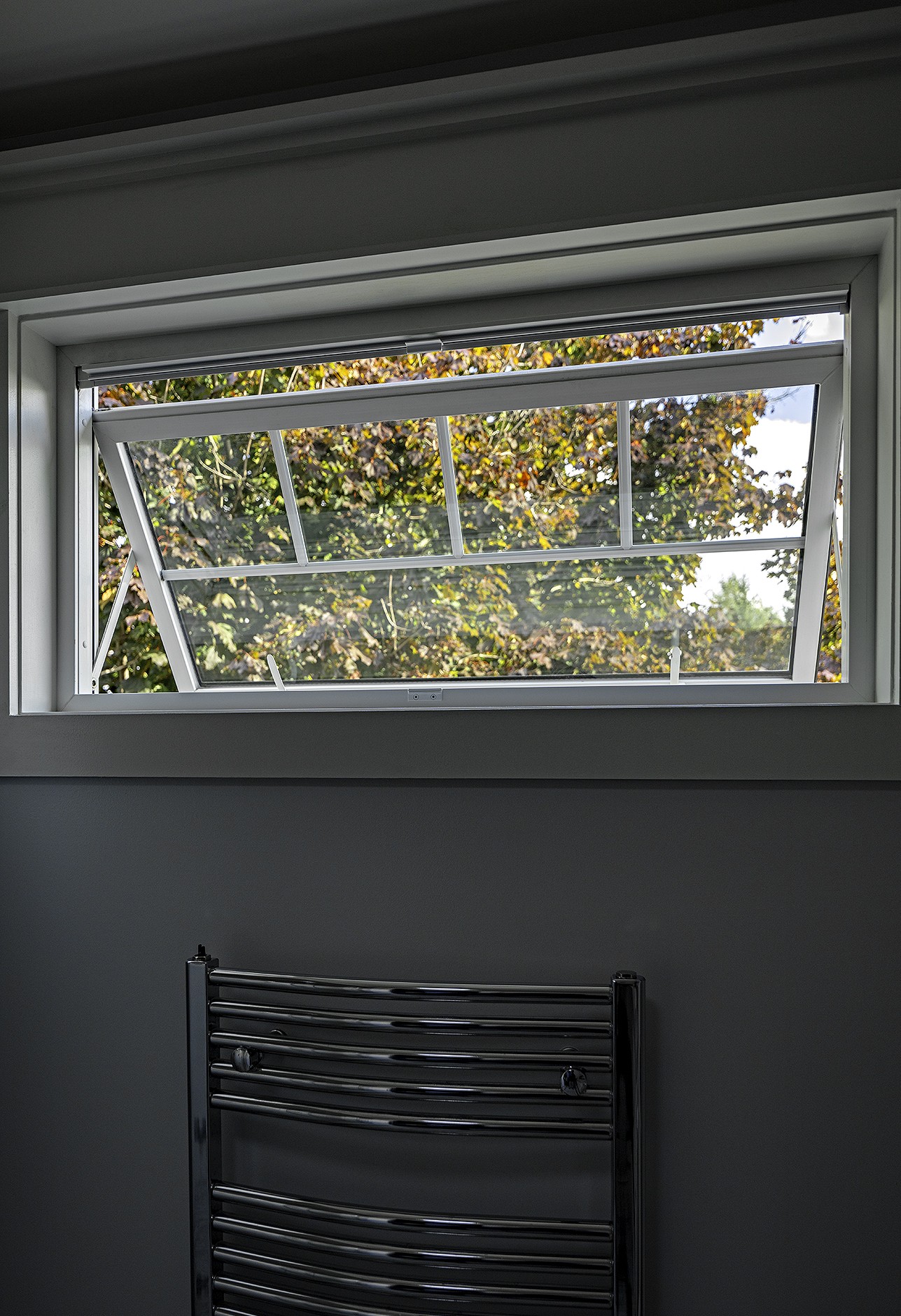
An awning window is a window that's hinged at the top and opens outward from the bottom, creating a canopy-like shape, similar to an actual awning. This outward-opening design lets you keep the window open during light rain without water getting inside. It's a popular choice for bathrooms, kitchens, and basements. Awning windows are known for excellent ventilation, strong energy efficiency, and a sleek, modern look that suits a range of architectural styles.
- Hinge location: Top of the frame
- Opening direction: Outward, from the bottom
- Operation type: Crank-operated
- Best rooms: Kitchens, bathrooms, basements, above picture windows
- Ventilation rating: Excellent, even in rain
- Energy efficiency: Among the best of any operable window style
- Rain protection: Yes; the sash acts like a small roof, deflecting rain away from the opening
How Do Awning Windows Work?
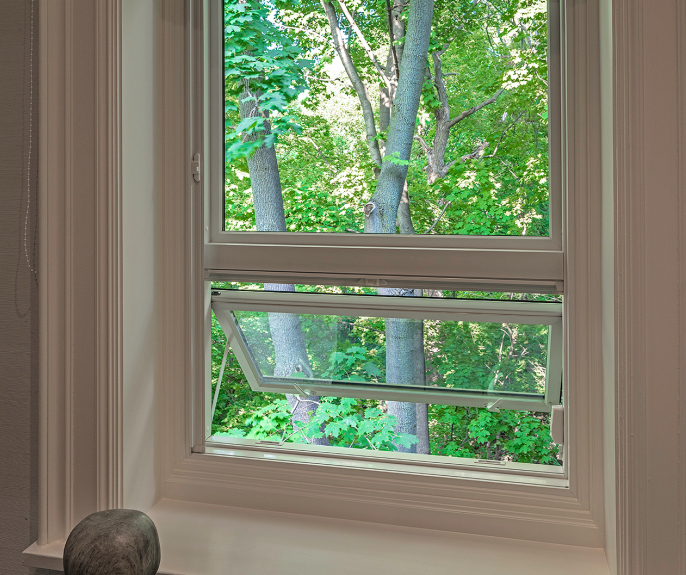
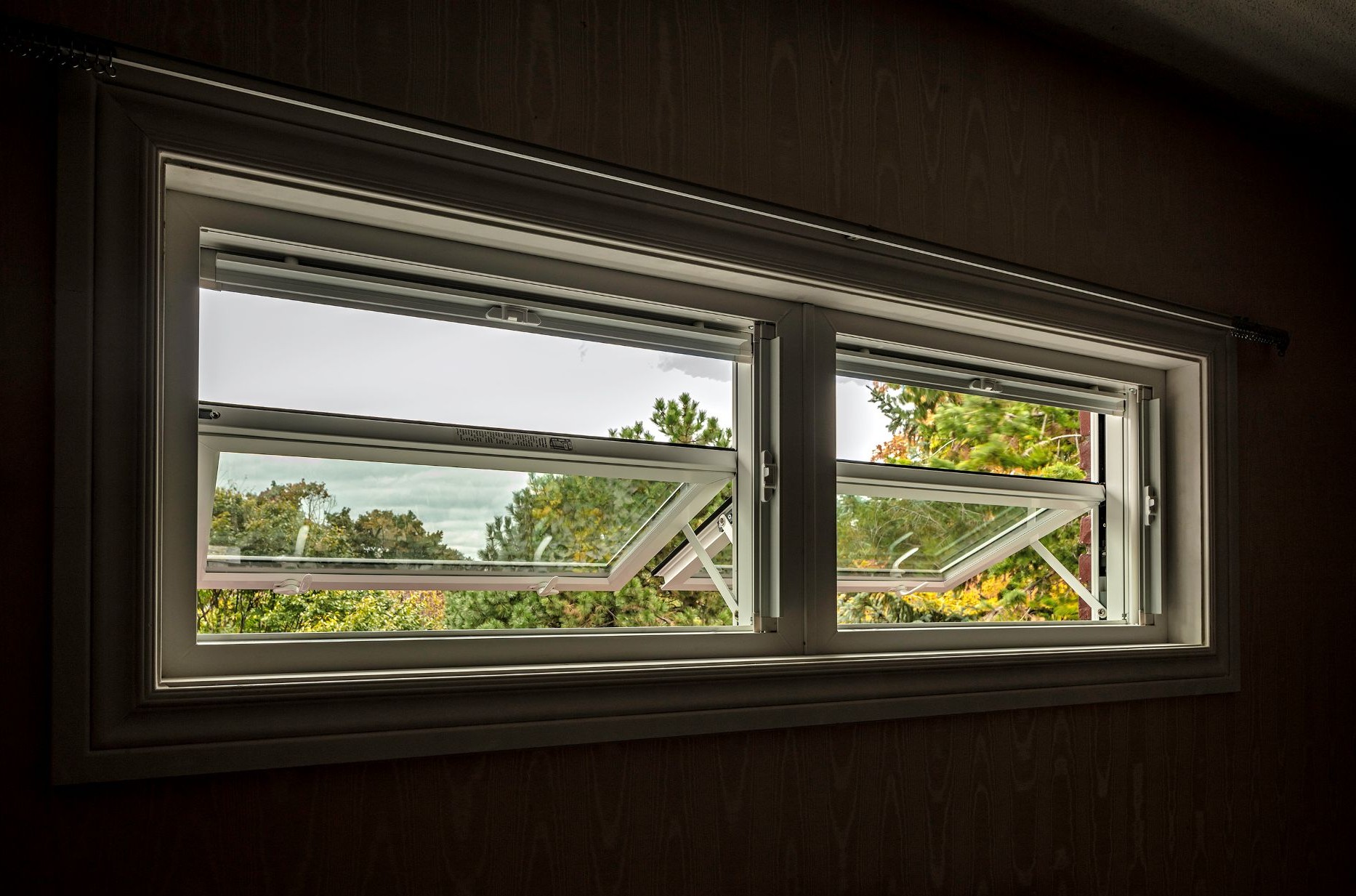
Awning windows are hinged along the top of the frame. When you turn the crank, the sash swings outward from the bottom, and the whole window tilts open at roughly a 45-degree angle. That angle is what creates the canopy effect. It lets fresh air in while keeping rain out, since the open sash physically blocks water from dripping into the interior.
Awning Window Parts
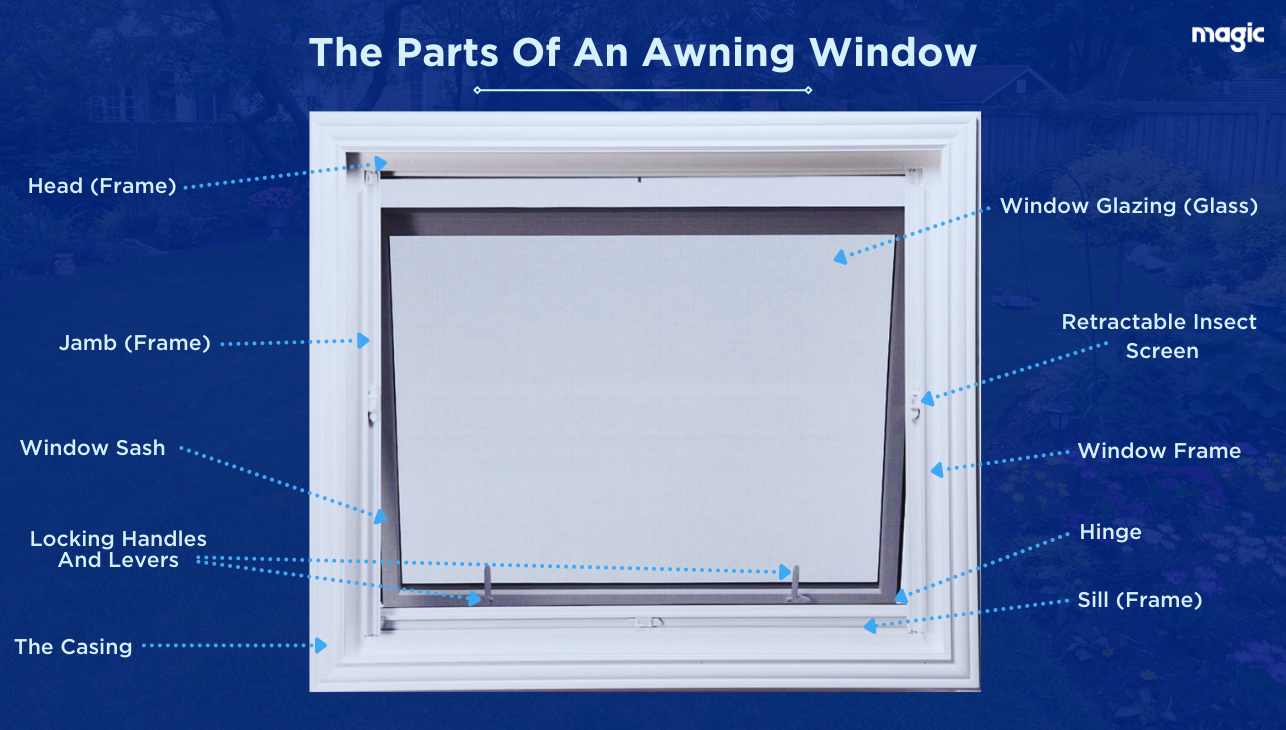
- The Frame: The frame is the structure that both surrounds and supports the entire window unit. The components of a frame can vary depending on the type of window.
- The Glazing: This term refers to the cut piece of glass that fills the window frame. If a window has one pane of glass, it is a single-glazed window. If it has two panes, it is double-glazed; three panes, triple-glazed, etc. Most residential windows on the market are either double-glazed or triple-glazed.
- The Sash: The movable panel that holds the glass and the framework of the glass firmly locked in place. When you open an awning window, this is the part that swings outward from the bottom.
- The Casing: The decorative mould that goes around the window frame inside the home.
- The Sill: The horizontal section that forms the bottom of the window frame.
- The Jamb: A vertical section that connects to the interior of the window frame.
- The Head: The horizontal section that forms the top of the window frame.
- Multi-Point Locks: The locking system that holds the window sash in multiple parts along the frame when closed.
- Locking Handles/Levers: These handles or levers release the locking mechanisms, allowing the window to push out and open.
- Roto-Gear and Crank: An alternative to the push-out system, these hardware pieces facilitate the window’s opening by turning a crank.
- The Hinges: The components of the awning window that secure the sash to the window frame (jamb), allowing the window to swing outward and inward.
What Is a Compression Seal in an Awning Window?
A compression seal is the rubber or vinyl gasket that runs along the perimeter of the sash. When the window is closed, the sash presses firmly against this seal, blocking air leaks and moisture. It's one of the main reasons awning windows perform so well for energy efficiency.
Best Uses for Awning Windows
Awning windows provide a lot of flexibility, but they really shine in a few specific situations. Here's where this window style tends to be the ideal solution:
- High-moisture rooms. Awning windows are ideal for kitchens and bathrooms because they can be installed in areas with high humidity. The outward-opening design lets moist air escape without letting rain back in.
- Compact or tight spaces. Since the sash projects outward rather than sliding sideways or up and down, awning windows work well in compact spaces: no interior clearance is needed.
- Ventilation during rain. They provide ventilation even during light rain, which makes them a smart pick for climates where sudden showers are common.
- Privacy-focused placements. Awning windows can be installed high on walls for privacy. Think above eye level in a bathroom or bedroom, where you still want fresh air and natural light without anyone seeing in.
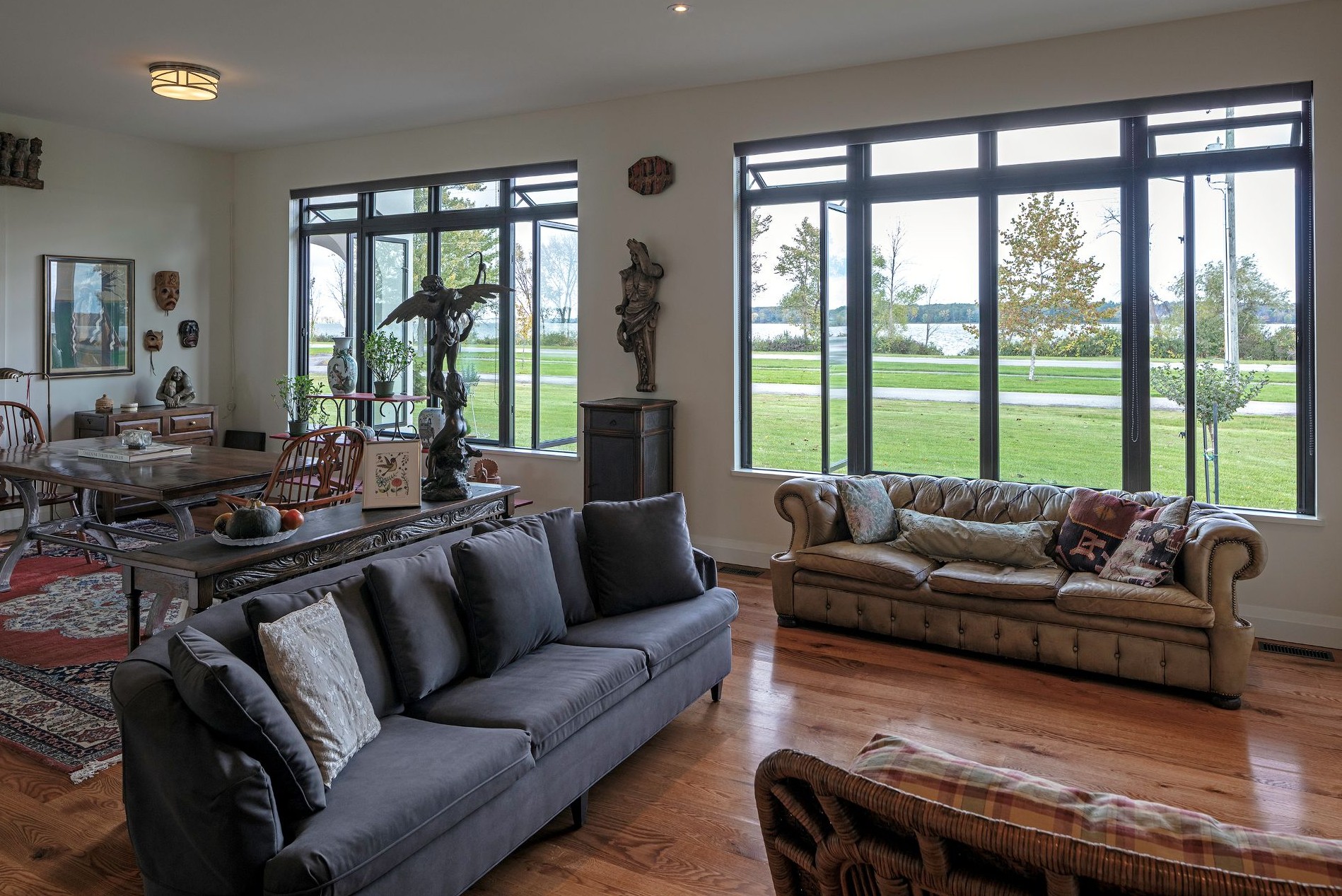
- Above larger fixed windows. They're often used above larger fixed windows or picture windows to add airflow to a space that would otherwise be sealed shut, without interrupting the view below.
- Basements and living rooms. Awning windows are also a smart fit for basements and living rooms, where their compact profile and strong seal make them a practical, energy-efficient option.
What Are the Benefits of Awning Windows?
Awning windows come with a long list of practical advantages, and most of them tie back to that outward-opening design:
- Excellent ventilation. Awning windows provide superior airflow and continuous ventilation, even when cracked open slightly.
- Rain-friendly operation. They can be left open during light rain without water entering, so you don't have to choose between fresh air and a dry windowsill.
- Natural light with privacy. Awning windows allow natural light into a space while maintaining privacy, especially when installed higher on a wall.
- Added security. Many models include a multi-point locking system, which distributes locking pressure across several points on the frame, making forced entry significantly harder.
- Energy-efficient by design. Their tight-sealing design cuts down on air leaks and helps control energy costs year-round.
- Unobstructed views. The sash sits nearly flush with the frame when closed, giving you unobstructed views and plenty of natural light.
- Low maintenance. Awning windows are low maintenance and hold up well against weather, needing little more than occasional cleaning and a periodic check of the hardware.
What Are the Disadvantages of Awning Windows?
Awning windows have a few trade-offs that you should know before buying, including:
- Not typically an emergency exit. Awning windows usually don't meet egress requirements for bedrooms, since the opening size is often too narrow for someone to climb through in an emergency.
- Exterior cleaning is trickier. Because the sash opens outward and often sits higher on a wall, exterior cleaning can be harder to manage than with windows that tilt inward.
- Clearance matters. Nearby landscaping, walkways, or furniture placed too close to the window can interfere with the sash's outward swing.
Are Awning Windows Worth It?
Awning windows are worth it if you:
- Want ventilation that works even during light rain, so it's a good option for rainy climates
- Value strong energy efficiency and lower cooling costs
- Have a window above a kitchen sink or counter with limited clearance
- Want unobstructed views paired with natural light
- Are considering a spot high on a wall where privacy matters
They might not be the right window option if you need a bedroom window that meets strict egress codes, or if you'd rather avoid any consideration of exterior clearance for landscaping or walkways. In those cases, casement or double-hung windows may be a better match.
Awning Windows vs. Other Window Types
Trying to decide between an awning window and something else? Here's how it compares to the other window styles you're most likely considering.
Awning vs. Casement
Here are the main differences between awning and casement windows:
The main difference between the two comes down to hinge placement and how each handles weather. Casement windows hinge at the side and swing open like a door, offering a wide, unobstructed opening, but they don't protect against rain the way an awning window does.
Awning vs. Sliding
Here are the main differences between awning and sliding windows:
Awning vs. Double-Hung
Here are the main differences between awning and double-hung windows:
Which Window Is Better?
It depends on your priorities. If energy efficiency, rain protection, and a tight seal are top priorities, an awning window usually wins. If you want a wide, unobstructed opening or a more traditional appearance, casement or double-hung windows might be a better fit.
Are Awning Windows Energy Efficient?
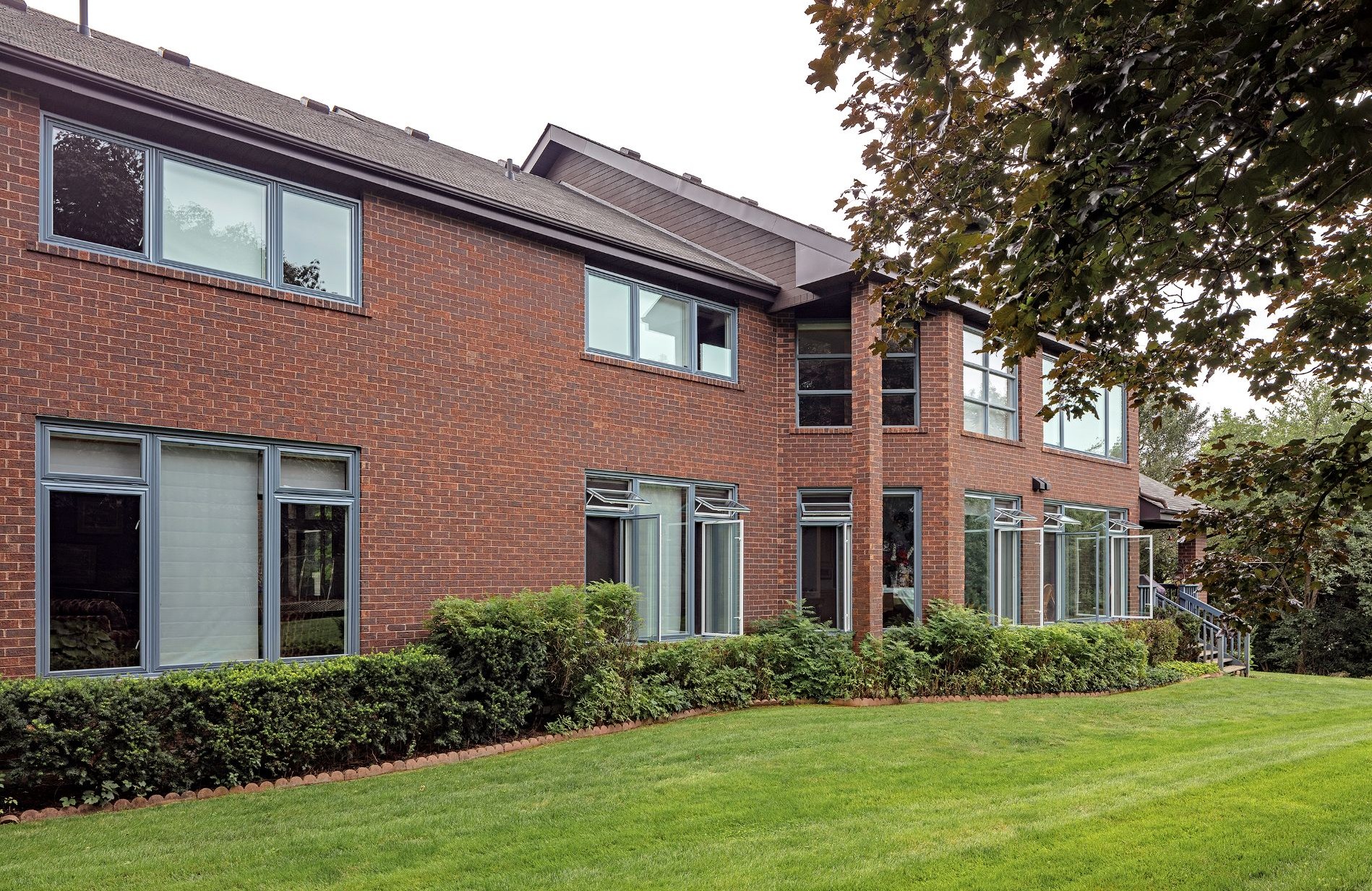
Awning windows are among the most energy-efficient windows on the market. Because the sash presses firmly against the frame when closed, awning windows create a tight seal that's harder to achieve with sliding or double-hung designs. If you add in Low-E glass coatings, argon or other gas fills between panes, and triple-pane glass, your windows hold their own against severe weather conditions, including many Canadian climates, where temperature swings are extreme.
Many awning windows also carry an ENERGY STAR rating, which means they've been independently tested and verified to meet efficiency standards. This translates into lower heating and cooling costs over time.
Here are the key features for energy efficiency you can equip your awning windows with.
Low-E Coatings
This transparent, incredibly thin coating helps the window reflect unwanted solar heat, allowing homes to cool more efficiently in warmer temperatures. It also reflects the radiant heat emitted by objects inside the house (such as an HVAC unit) back inside to reduce heat loss during the colder months.
Argon Gas Fills
Gas fills are essential in creating an insulated glass unit. Manufacturers fill the space between the glass units with gases like krypton or argon, as these heavier noble gases can impede heat transfer through a window better than air.
Warm-Edge Spacers
Warm-edge spacers are essential to a window’s ability to remain energy efficient over the long term. These seals insulate the edges of the glass unit and keep the glass panes apart. For the best performance, inquire about Duralight soft edge spacers. These are made of four-layer material that naturally expands and contracts with any movement, making seal failure virtually impossible.
Frame Materials (Vinyl/Composite)
Vinyl and composite frames are among the best-performing options because they naturally resist heat transfer far better than materials like aluminum. In addition to their insulating properties, both materials require very little maintenance. They won't rot, warp, or corrode, and they never need painting. Composite frames are generally stronger and more dimensionally stable than standard vinyl.
Welded Corners
High-quality vinyl windows feature fusion-welded corners instead of mechanically fastened joints. During manufacturing, the frame corners are heated and permanently fused together, creating a seamless, airtight connection.
Welded corners reduce the likelihood of air leaks and water infiltration while improving the structural strength of the frame. Over time, they also help maintain the window's insulating performance by minimizing gaps that can develop through expansion and contraction caused by changing temperatures.
Thermal Blinds
Thermal blinds (also called insulating or cellular blinds) can significantly improve a window's energy performance by creating an additional layer of insulation between the glass and the room. When closed, they trap a pocket of air that slows heat transfer, helping keep homes warmer in winter and cooler in summer.
While they don't replace an energy-efficient window, thermal blinds can enhance the performance of existing windows, reduce drafts near the glass, and lower heating and cooling costs. They're particularly beneficial for older windows or in climates with extreme seasonal temperatures.
Materials and Style Options for Awning Windows
The frame material you choose affects cost, upkeep, and performance just as much as the window style itself.
Awning Window Design
Awning windows are typically wider than they are tall, which suits their common placement above sinks, counters, or larger fixed windows.
Here are a few design details worth knowing before installing an awning window:
- Awning windows can be manufactured up to roughly 6 feet wide and 4 feet tall, though exact maximums vary by manufacturer.
- Because the sash swings outward, their outward projection may require consideration of nearby walkways, patios, or landscaping. You don't want a window bumping into a shrub every time it's opened.
- The aesthetic appeal of awning windows comes largely from their clean lines and sleek design, which fits comfortably into both modern and traditional homes.
How Secure Are Awning Windows?
Awning windows are considered one of the more secure operable window styles. They are difficult to force open from the outside, especially when equipped with modern locking hardware.
Awning windows offer several built-in security advantages:
- Multi-point locking systems: many models lock at multiple points around the sash, creating a tighter and more secure seal.
- Compression seal: when closed and locked, the sash presses tightly against the frame, so the window is more difficult to pry open compared to sliding window designs.
- Limited opening size: because awning windows typically open to about a 45-degree angle, they provide air circulation while limiting access from outside.
- Interior screens: since the insect screen is installed on the inside of the home, it cannot be removed from outside like some exterior-mounted screens.
For homeowners looking to increase security even further, manufacturers often offer additional options such as laminated security glass, reinforced hardware, and impact-resistant glazing.
Keep in mind that no window is completely burglar-proof. Proper installation, high-quality locks, and regular maintenance all play an important role in keeping your windows secure.
How Much Do Awning Windows Cost?
Awning windows usually cost between $500 and $2,500 or more. The final cost of awning windows depends on several factors, including the window's size, frame material, glass package, and installation method. While standard vinyl awning windows are generally the most affordable option, premium materials like fiberglass, wood, or composite frames typically cost more but may offer better durability, insulation, or aesthetics.
Although awning windows may cost more than some basic sliding or single-hung windows, their excellent energy efficiency and durable compression seal can help reduce heating and cooling costs over time.
Average Awning Window Costs
Here are the average awning window costs depending on frame materials:
*Prices are approximate and vary by manufacturer, window size, glazing options, and local labor costs.
How Are Awning Windows Installed?
Awning windows can be installed in both new construction and existing homes. Choose the installation method based on the condition of the existing window frame and the scope of your renovation. Here are the two main installation methods.
Insert Replacement
During an insert replacement, the existing frame remains in place while the old sash and operating hardware are removed. The new awning window is installed inside the original frame, making this a faster and less disruptive option when the existing frame is structurally sound.
Full-Frame Replacement
A full-frame replacement removes the entire existing window, including the frame, trim, and sash. A completely new window system is then installed and properly insulated, flashed, and sealed. Although this method is more labor-intensive, it often provides the best long-term energy performance and allows hidden issues such as rot or water damage to be repaired.
What Happens During Awning Window Installation?
Most professional awning window installations follow these steps:
- Removing the existing window (or sash for insert replacements).
- Inspecting the opening for moisture damage, rot, or structural issues.
- Installing and leveling the new awning window.
- Securing the frame according to the manufacturer's specifications.
- Insulating and air-sealing around the frame.
- Installing flashing and exterior sealants to help prevent water infiltration.
- Testing the crank, locks, and weather seal to ensure smooth operation.
Professional installation is highly recommended. Even a high-quality awning window may not deliver its expected energy efficiency, weather resistance, or lifespan if it isn't installed correctly. Therefore, proper flashing, insulation, and sealing are essential for preventing drafts, leaks, and premature wear.
How Long Do Awning Windows Last?
With proper installation, awning windows can last around 20-30 years, sometimes longer, depending on the frame material and how well they're maintained.
Here are some signs that your awning window might need to be replaced:
- Visible drafts or air leaks around the frame
- Difficulty turning the crank or operating the lock
- Fogging or condensation between panes (a sign the seal has failed)
- Cracked, warped, or rotting frame material
- Rising energy costs that don't match your usage habits
How Do You Choose the Right Window?
To choose the right window, ask yourself: What room is it going in? What's your local climate like? And what frame and glazing combination fits your budget and performance needs?
Here's a quick checklist to help you decide:
- Choose a frame material suited to your climate and maintenance preference
- Choose glass with the glazing (double vs. triple pane) that matches your efficiency goals
- Compare warranties across manufacturers; length and coverage vary widely
- Measure the opening carefully before ordering
- Hire an experienced installer, since installation quality affects long-term performance
Frequently Asked Questions
Can awning windows stay open during rain?
Yes, awning windows can stay open during rain. Because the sash opens outward and slightly upward, it acts as a barrier that deflects light rain away from the opening, allowing continuous airflow without water intrusion.
Are awning windows energy efficient?
Yes, awning windows are energy-efficient. Their design creates a tight seal when closed, and many models include Low-E glass, argon gas fills, and triple-pane glass, all of which improve insulation and reduce energy costs.
Are awning windows secure?
Many awning windows include a multi-point locking system, which locks the sash at several points along the frame, making forced entry more difficult compared to single-point locks.
How much do awning windows cost?
Cost varies by frame material, size, and glazing options. Vinyl models tend to be the most budget-friendly, while fiberglass and wood options cost more upfront but may offer different long-term performance.
Can awning windows be used in bedrooms?
Awning windows can be used in bedrooms, but they usually don't meet egress requirements for emergency exits, so many building codes restrict their use as the sole window in a bedroom.
Do awning windows open all the way?
No, awning windows typically open to about a 45-degree angle. This is intentional, since a wider opening would reduce the rain-blocking canopy effect and put more strain on the hinges.
Are awning windows difficult to clean?
Cleaning the interior of an awning window is straightforward, but exterior cleaning can be more difficult, especially for windows installed higher on a wall or in hard-to-reach spots.
What size do awning windows come in?
Awning window sizes vary by manufacturer, but they can generally be made up to about 6 feet wide and 4 feet tall, with smaller sizes common above sinks or as accent windows.
Can you replace a sliding window with an awning window?
In most cases, yes, you can replace a sliding window with an awning window, especially with a full frame replacement. An insert replacement may also work if the existing frame is in good condition.
Are awning windows better than casement windows?
"Better" depends on your needs. Awning windows offer superior rain protection and ventilation flexibility, while casement windows offer a wider, fully unobstructed opening.
Do awning windows increase home value?
New, energy-efficient replacement awning windows can support home value by improving curb appeal and lowering utility costs, though the exact impact varies by market and installation quality, since professional installation really impacts the performance and longevity of windows.
Are awning windows more energy efficient than sliders?
Generally, yes, awning windows have a more energy-efficient design than sliders. They create a tighter seal when closed because the sash compresses against the frame on all sides, while sliding windows rely on tracks that are more prone to air leaks as they age.
Get New Replacement Windows with Magic
Ready to explore your window options? If you've got a spot above the kitchen sink that needs better airflow, or if you're planning a full round of replacement windows, Magic can help you find the right window for your home's style and your climate!
Book a free consultation with Magic today, and let's talk financing options, warranties, and everything else on your checklist!