
Patio Doors
A Guide to Standard Door Sizes Canada
Are you planning to replace your doors? If so, you're probably looking for standard door sizes. Canada has several local building codes that specify all the door requirements you need to know, so you should always check them before buying a new door to make sure it's the right door!
However, we can still provide you with some details about the most common door sizes in the country that will help you navigate the door market, whether you're installing a classic wood door or a modern composite!
Quick Answer: Standard Door Sizes in Canada
Standard exterior doors in Canada typically measure 34 to 36 inches in width and 80 to 96 inches in height. Interior doors range from 24 to 36 inches in width and 80 inches in height.
These average door sizes are based on National Building Code of Canada (NBC) specifications and help ensure proper fit, security, energy efficiency, and building code compliance across residential and commercial properties.
Key Takeaways
- Local Canadian building codes and accessibility rules should guide your final door size choices, especially for main entries and high‑traffic areas.
- Choosing standard door sizes significantly facilitates the entire process of installing the door and makes it easier for you to adhere to local building codes.
- Custom door sizes are often chosen for architectural and design needs, but they are usually more expensive, and it takes more time to manufacture them.
- Accurate measurement is critical for door replacement to ensure a proper fit within existing frames and barrier-free access when needed, particularly for mobility devices.
What Is the Standard Door Width in Canada?
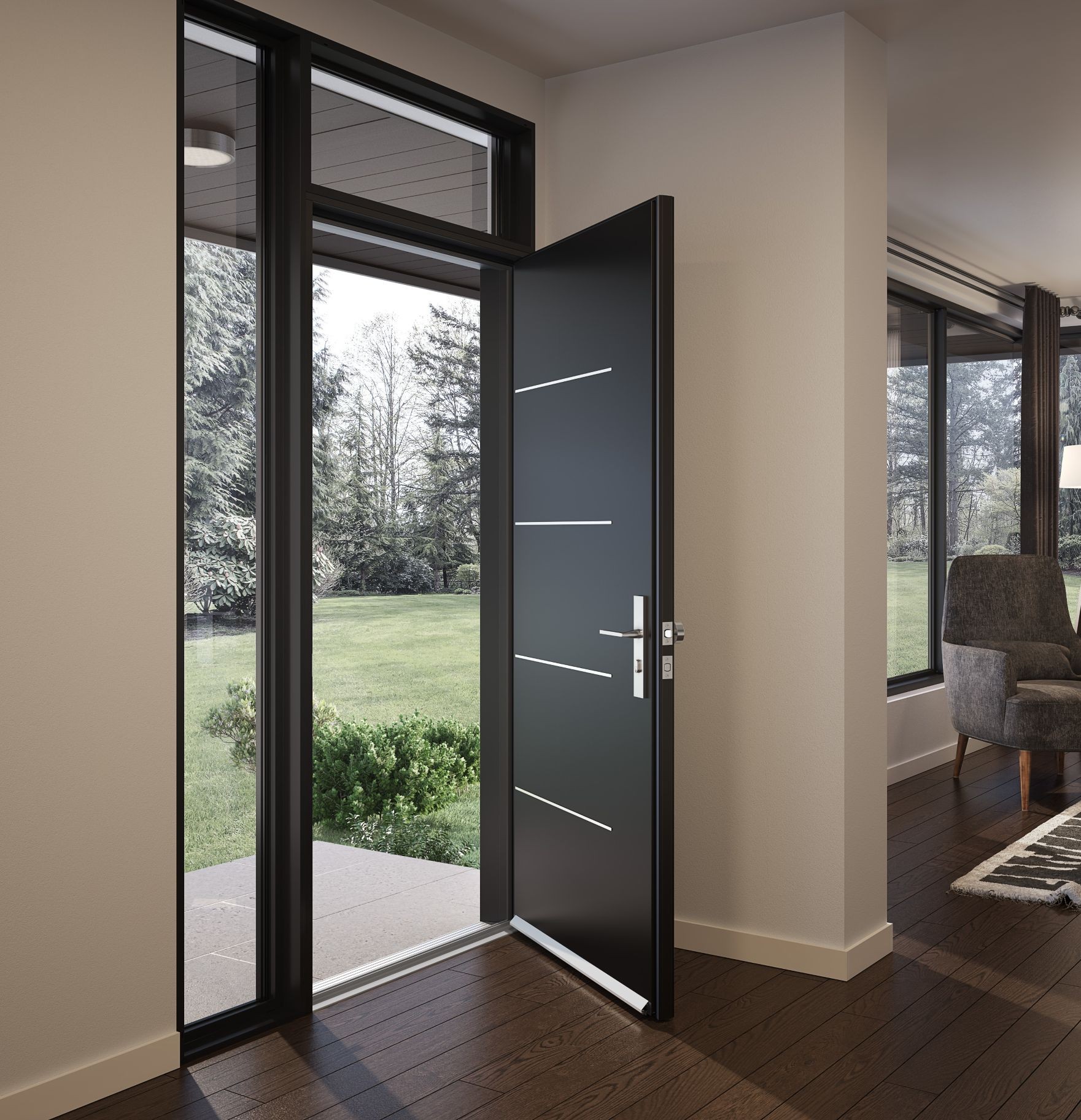
Door width is one of the most important dimensions to understand when selecting or replacing interior and exterior doors. Standard widths vary depending on the door's location and purpose in your home. Homes built before 1980 often have narrower openings than those built after 2000, when accessibility considerations started influencing residential design.
Here are the standard door widths for interior doors:
- 24 inches
- 28 inches
- 30 inches
- 32 inches
- 36 inches
The most common standard door width for interior doors is 32 inches, although 36 inches is becoming increasingly popular in modern homes.
Here are the standard door widths for exterior doors:
- 32 inches
- 36 inches
- 40 inches
The most common standard door width for exterior doors is 36 inches, as it accommodates accessibility requirements, allows for moving furniture and large items, and meets modern building code standards. Proper measurement ensures seamless installation without costly adjustments.
Door Width vs Rough Opening Width
When assessing standard sizes, it's important to understand the difference between the door width itself and the opening width.
The door width is the actual size of the door panel, while the opening width is the space the door fills, and it's typically wider than the door to account for the door frame and hinges. This ensures proper clearance for doors to swing open comfortably.
The door frame includes the slab, the side and head jambs, and the space for hardware. If you're ordering a 36-inch standard door frame size, the actual slab will be slightly narrower, while the clear opening (important for accessibility) will measure roughly 32 inches wide.
Requirements for Exterior Door Wheelchair Accessibility
According to Canada Mortgage and Housing Corporation guidelines, an entrance door must have at least 915 mm (36 in) in clear opening width for wheelchair accessibility, while the height must be at least 2032 mm (80 in). To achieve 36 inches of clear opening, you typically need to order a 40-inch nominal door.
This is more stringent than interior doors, which typically require only 32 inches of clear opening.
What Is the Standard Door Height in Canada?
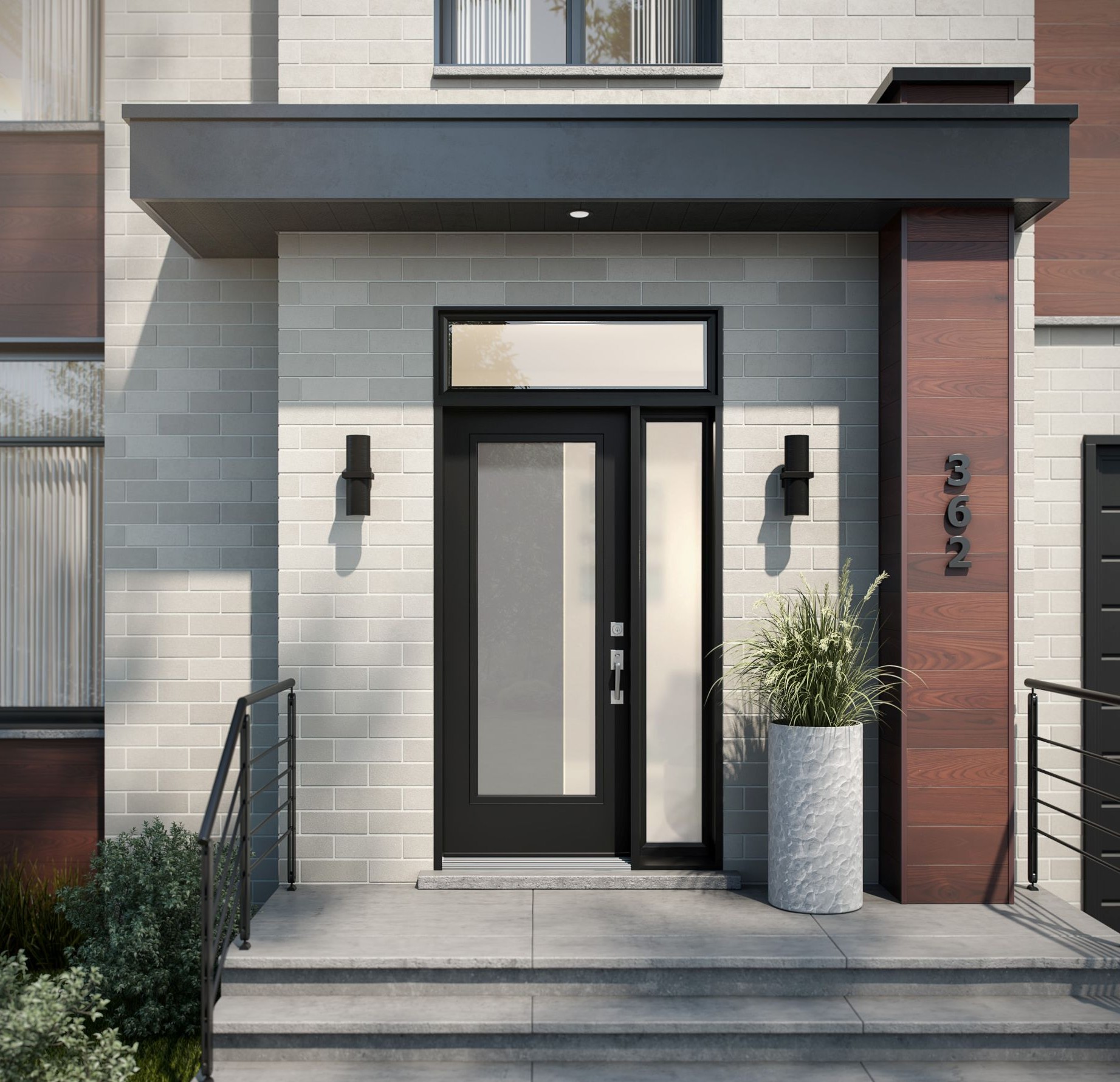
The standard door height in Canada is 80 inches for both interior doors and exterior doors. This height has become the industry standard because it accommodates most ceiling heights in residential homes. However, oversized doors are also common in Canada, including 84 inches and 96 inches.
The Ontario Building Code specifies a minimum door height of 78 inches, but the 80-inch standard has become the preferred measurement among most Canadian homeowners.
Standard Door Dimensions Reference Tables
Interior vs. Exterior Door Common Dimensions
Standard Door Width Quick Reference
Standard Door Height Quick Reference
Standard Door Sizes by Door Type
Exterior entry doors, double doors, patio doors, sliding doors, French doors, and garage doors all follow different sizing conventions in Canada.
Standard Front Door Sizes
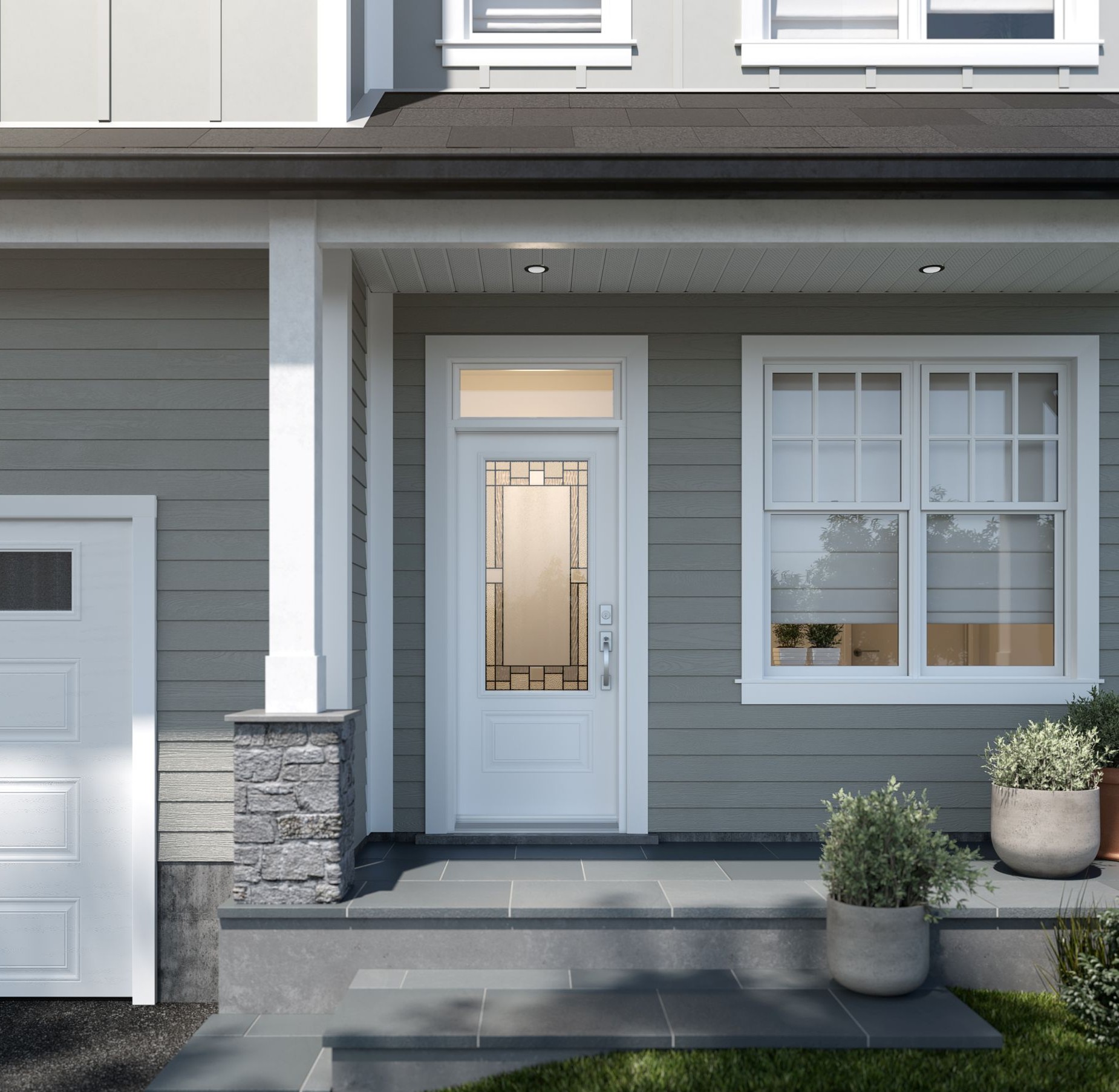
In Canada, the standard front entrance door sizes for single doors are:
- 34 inches in width and 80 inches in height
- 36 inches in width and 80 inches in height
- 36 inches in width and 96 inches in height
The standard double door sizes are:
- 60 inches in width and 80 inches in height
- 64 inches in width and 80 inches in height
- 72 inches in width and 80 inches in height
- 60 inches in width and 96 inches in height
- 64 inches in width and 96 inches in height
- 72 inches in width and 96 inches in height
If you're installing a double door, the size of each door panel may be different. Usually, building codes specify a minimum opening range, so you may be able to install two narrower door panels (each measuring 30 inches, for example) as long as the entire opening dimension adheres to building code requirements.
These standard exterior door sizes are designed to provide ample space for moving furniture and accommodating guests and add to the aesthetic appeal of your home, making a great first impression. Plus, the entry door can also contribute to energy efficiency.
Standard Sliding Patio Door Sizes
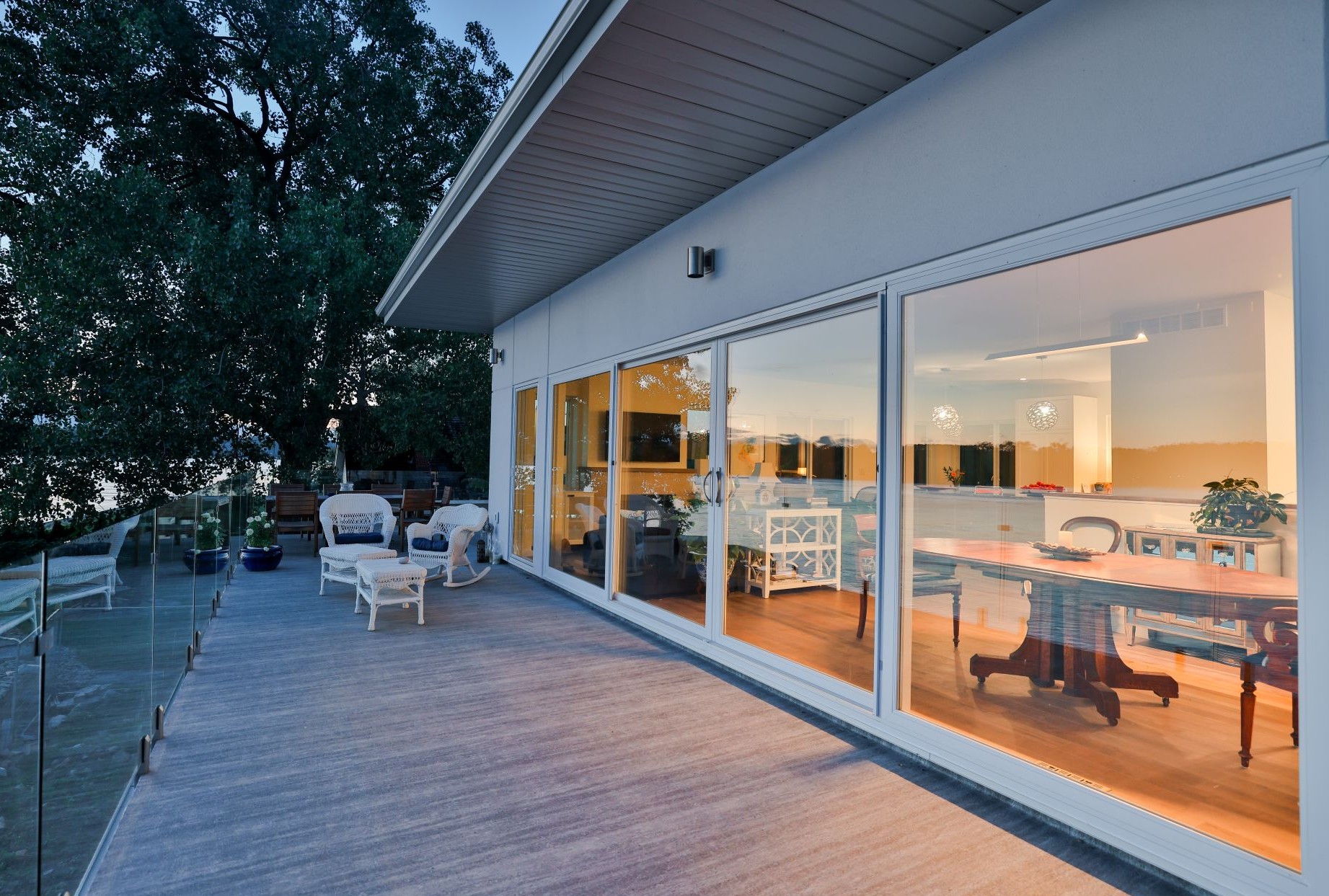
The standard patio door sizes in Canada range between:
- 60 inches and 192 inches in width
- 80 inches and 96 inches in height
Here are the standard dimensions for exterior doors in Canada based on patio door type:
- Sliding door with 2 panels: 60 inches in width and 80 inches in height
- Sliding doors with 3 panels: 108 inches in width and 80 inches in height
- Sliding doors with 4 panels: 144 inches in width and 80 inches in height
- French doors: 60 inches in width and 80 inches in height
- Bi-fold patio door sizes: 30-47 inches in width and 70-98 inches in height
The final width of patio doors depends on how many panels they have.
Standard Garage Door Sizes
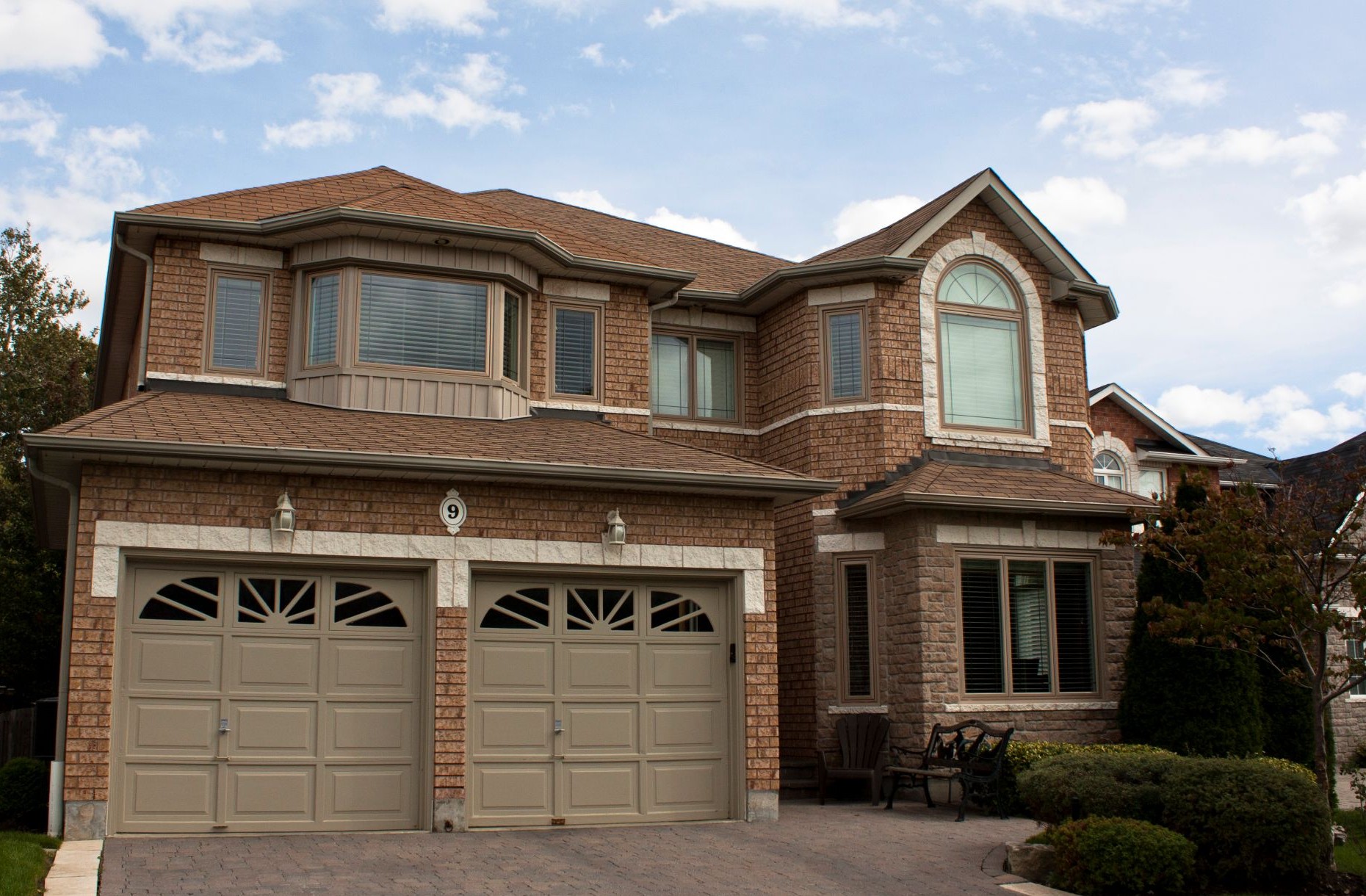
The most common standard garage door sizes in Canada are:
- 96 inches in width and 96 inches in height for single garage doors
- 192 inches in width and 96 inches in height for double garage doors
In some cases, you can install much wider garage doors, measuring 288 inches in width and 96 inches in height, so they fit two cars. Or you can install two separate, smaller doors that will also fit two cars.
Standard Interior Door Sizes: Bathroom and Bedroom Door Sizes
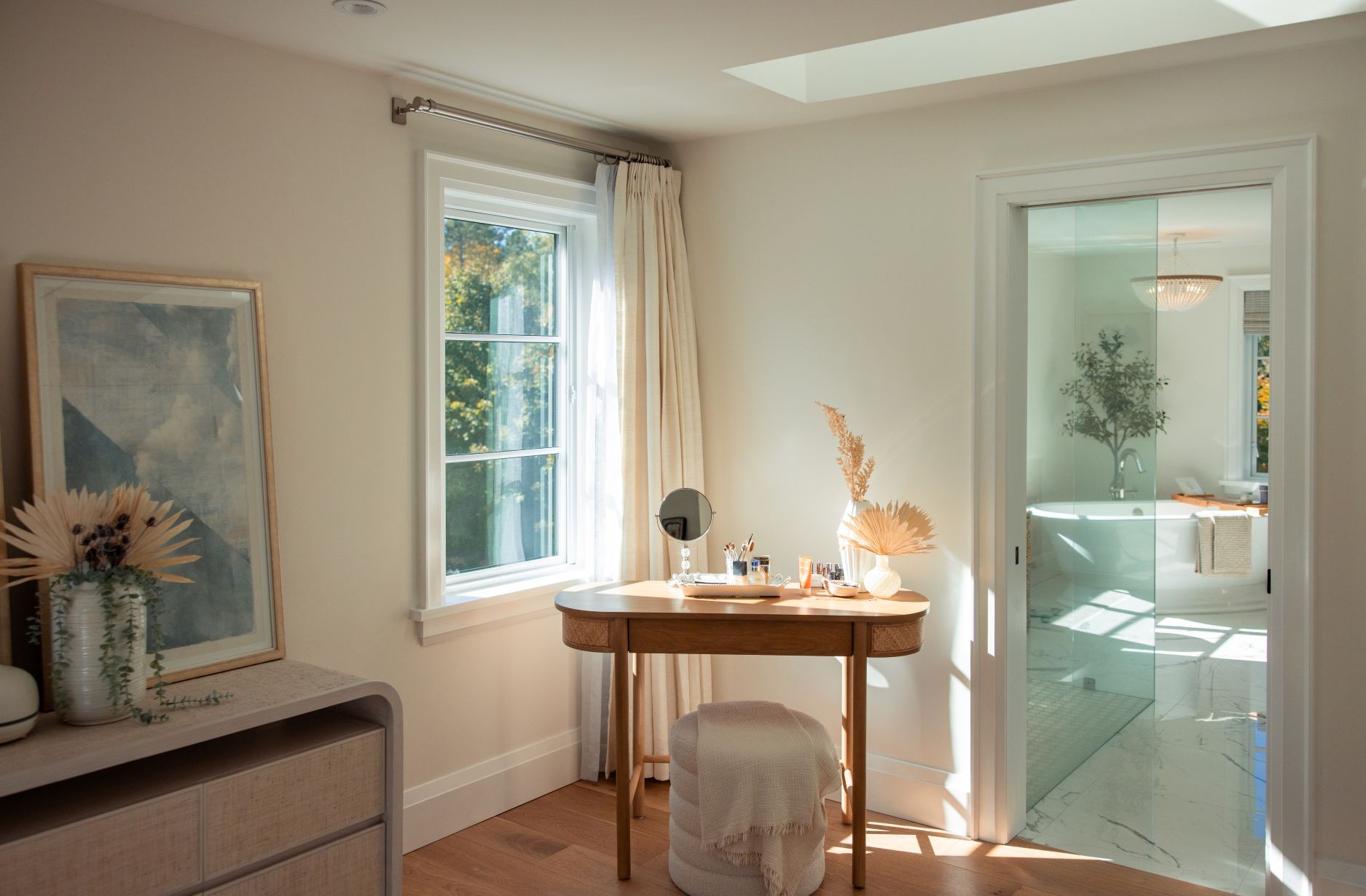
In Canada, standard bedroom and bathroom doors typically range from 24 to 32 inches in width and have a height of 80 inches.
However, accessibility needs may necessitate wider doors to accommodate wheelchairs and other mobility aids. Additionally, if the bedroom is larger than most standard bedrooms, you can also install double doors for aesthetic reasons.
Factors to Consider When Choosing Door Sizes
Determining the correct size for your doors is of utmost importance. First, this ensures that you're compliant with local building codes. Secondly, it impacts performance, design, energy efficiency, and security. Furthermore, having standard door sizes can significantly enhance the resale value of a property due to the ease of repairs and replacements.
When selecting your door sizes, keep these key factors in mind:
- Building code compliance. Local building codes specify minimum and maximum door sizes. You should always confirm the minimum and maximum size requirements with your local building department before purchasing doors.
- Accessibility requirements. In Canada, an entrance door must have a 36-inch clear opening, which is typically achieved with a 40-inch wide door to accommodate wheelchairs and mobility aids.
- Room function and traffic flow. Bedrooms and bathrooms can use narrower doors (24-32 inches), while living rooms and main entries benefit from wider openings (36-40 inches) for furniture movement and accessibility.
- Security and energy efficiency. Exterior doors require thicker construction than interior doors for weather resistance and security, which may influence the available width and height options for your specific application.
- Door swing direction and clearance. Ensure the door swings open without hitting walls, furniture, or other doors. This affects both the width placement and the room layout you're working with.
Custom Door Options
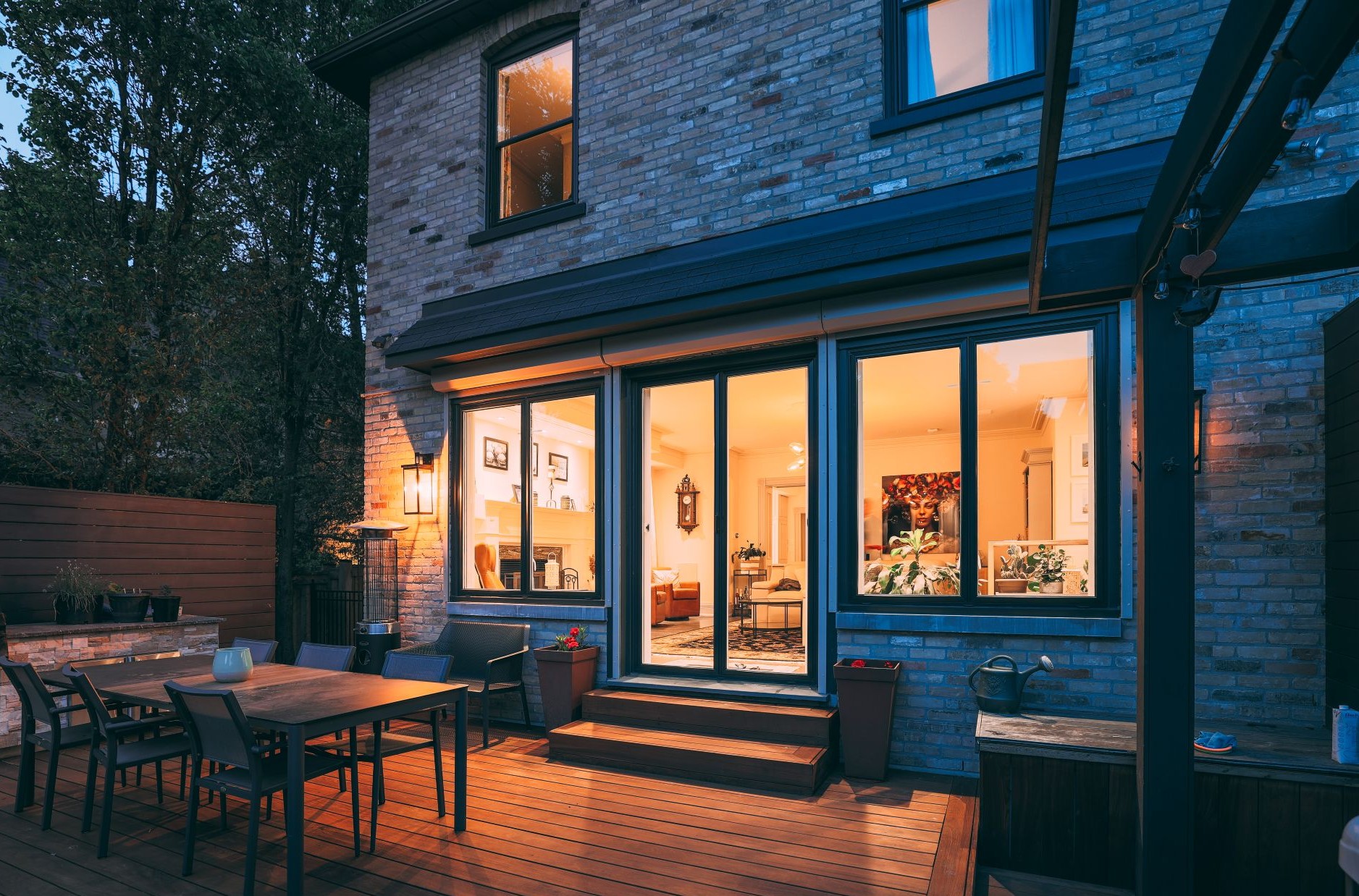
Sometimes, standard door sizes just won't do, especially in older Canadian homes where the door frame or the rough opening may not conform to modern standards. You'll have to rely on manufacturers who can provide custom doors that will fit the design and architectural requirements of your house. In this case, opting for custom doors instead of stock exterior doors will undoubtedly enhance your home's curb appeal and preserve its design. However, there are some things to consider:
- Custom doors are more expensive.
- Not all manufacturers may be able to accommodate unique sizes.
- The process may be more time-consuming because of limited availability.
- Repairs may be more expensive for custom-sized doors.
- Custom-sized doors may also require customized door frames and jambs.
How to Measure Your Door?

In the following sections, we'll explain how to measure your door, depending on what exactly you're replacing.
Keep in mind that if you're not sure how to measure your door accurately, it's best to contact an expert. This is the most important step in the process that ensures a smooth installation so the new door fits perfectly. Otherwise, you may have to pay for adjustments or even order new doors that are correctly sized.
1. Measuring a Door Slab Only (No Frame)
Use these instructions to identify the right door size when you are replacing only the door slab and keeping the existing frame, hinges, and jambs.
- Use a measuring tape to measure the width of the door at the top, middle, and bottom. Record the largest measurement.
- Measure the height of the door at three points: left edge, centre, and right edge. Record the largest measurement.
- Measure the thickness of the door at the edge (typically 1⅜″ or 1¾″).
Keep in mind:
- Measure door edge to door edge, not the opening.
- Do not measure from the finished floor or threshold.
- Do not include hinges or hardware.
2. Measuring a Rough Opening (No Door or Frame Installed)
Use these instructions for new construction or when the door and frame have been completely removed.
- Measure the width from stud to stud at the top, middle, bottom. Record the smallest measurement.
- Measure the height from the subfloor to the underside of the header at three points: left, centre, right. Record the smallest measurement.
- Confirm the opening is: square (diagonals match), plumb (sides vertical), level (bottom horizontal)
Keep in mind:
- Rough openings are larger than the door size to allow for shimming.
- Typical rough openings are:
- Width: door width + ~2″
- Height: door height + ~2½″ (exterior) or ~2″ (interior)
Final Thoughts
Understanding standard door sizes in Canada is essential for any home improvement project. This can significantly improve the functionality of your doors - the right entry doors enhance security, curb appeal, and energy efficiency, while interior doors ensure privacy, comfort, and design.
If you plan to replace your doors and are looking for a trustworthy company that can help you find the right exterior door size, provide fully customized solutions, and ensure professional installation, book your free consultation with Magic! We can't wait to turn your ideas into reality!
FAQs About Standard Door Sizes in Canada
What is the most common door width in Canada?
The most common interior door width is 32 inches, though 36 inches is increasingly popular in modern homes. For most exterior doors, 36 inches is the standard door width.
Why is 80 inches the standard door height?
80 inches is the standard door height because it accommodates the majority of ceiling heights in residential properties while providing enough clearance.
Can I use narrower doors than 36 inches for an exterior door?
Yes, 32-inch and 30-inch exterior door slabs are available, but they're usually only installed in double doors. If you're installing a single door, 36 inches is recommended because it meets modern building codes. Always check your local building codes and door manufacturer specifications for your specific situation.
What door height do I need for a 9-foot ceiling?
You can use standard 80-inch doors in a home with 9-foot ceilings, and they will be perfectly functional and code-compliant. However, many homeowners prefer 84-inch doors with higher ceilings for visual proportion and modern aesthetics.
Are there building code minimums for door width in Canada?
Building codes typically require a minimum clear opening width of 32 inches (achieved with a 36-inch door when accounting for frame and hardware). However, according to CMHC requirements for wheelchair accessibility, the minimum clear width of a door must be 36 inches. Check your local municipal building code for specific requirements in your area.
Can I replace just the door slab and keep my existing frame?
Often yes, you can replace just the door slab and keep the existing frame if the size, hinge locations, and thickness match your existing setup. This works well when the door frame is in good condition and you can find a slab of the right dimension.
Is a 36 door actually 36 wide?
No, a 36-inch door is not actually 36 inches wide, as this width refers to the nominal slab size. The actual slab width is always narrower.