Window Treatment & Styles
19 Types of Windows: Styles, Uses & Costs
If you're looking for new windows for your home, you're probably thoroughly researching the market, trying to understand the benefits and drawbacks of different types of windows available, right?
Well, we're here to take this burden off your shoulders! In the following sections, you'll find everything there is to know about 19 types of windows for homes - how they operate, their advantages and disadvantages, and average prices.
19 Types of Windows for Homes
Ready to find the windows of your dreams? Here's a quick breakdown of the 19 types of windows we'll discuss in detail below:
1. Single-Hung Windows
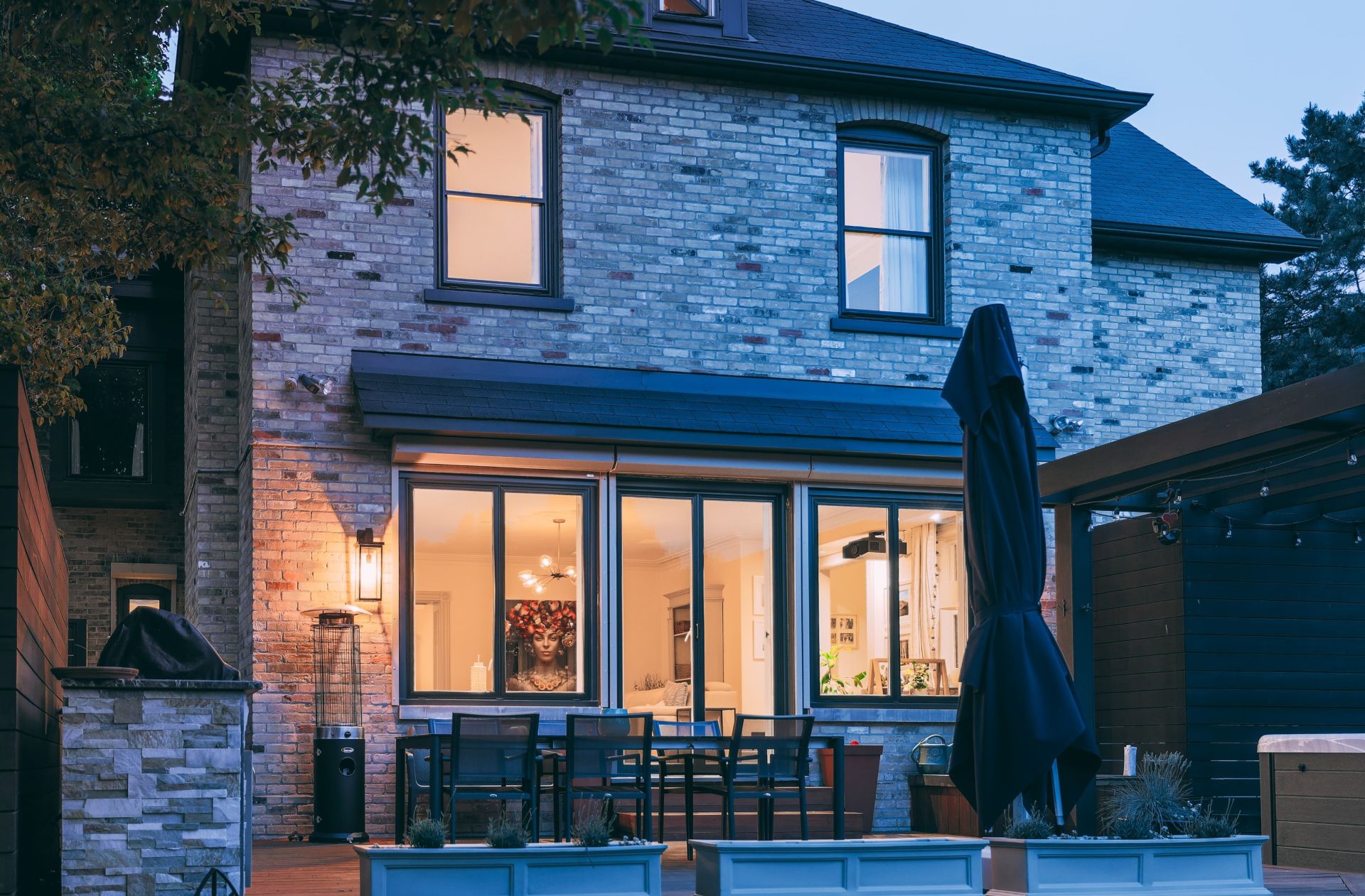
Single-hung windows have two sashes stacked vertically within a single window frame. Only the bottom sash is movable, and it slides up and down within the tracks that are built into the window frame. The upper sash is permanently fixed.
Single-hung windows are perfect for bedrooms, bathrooms, basement recreation rooms, and any first-floor application where exterior access for cleaning is straightforward. They're also ideal for older homes where replacement windows must match a more traditional aesthetic.
Single-hung windows cost between $300 and $2,200, depending on size, quality, and materials.
Pros and Cons of Single-Hung Windows
2. Double-Hung Windows
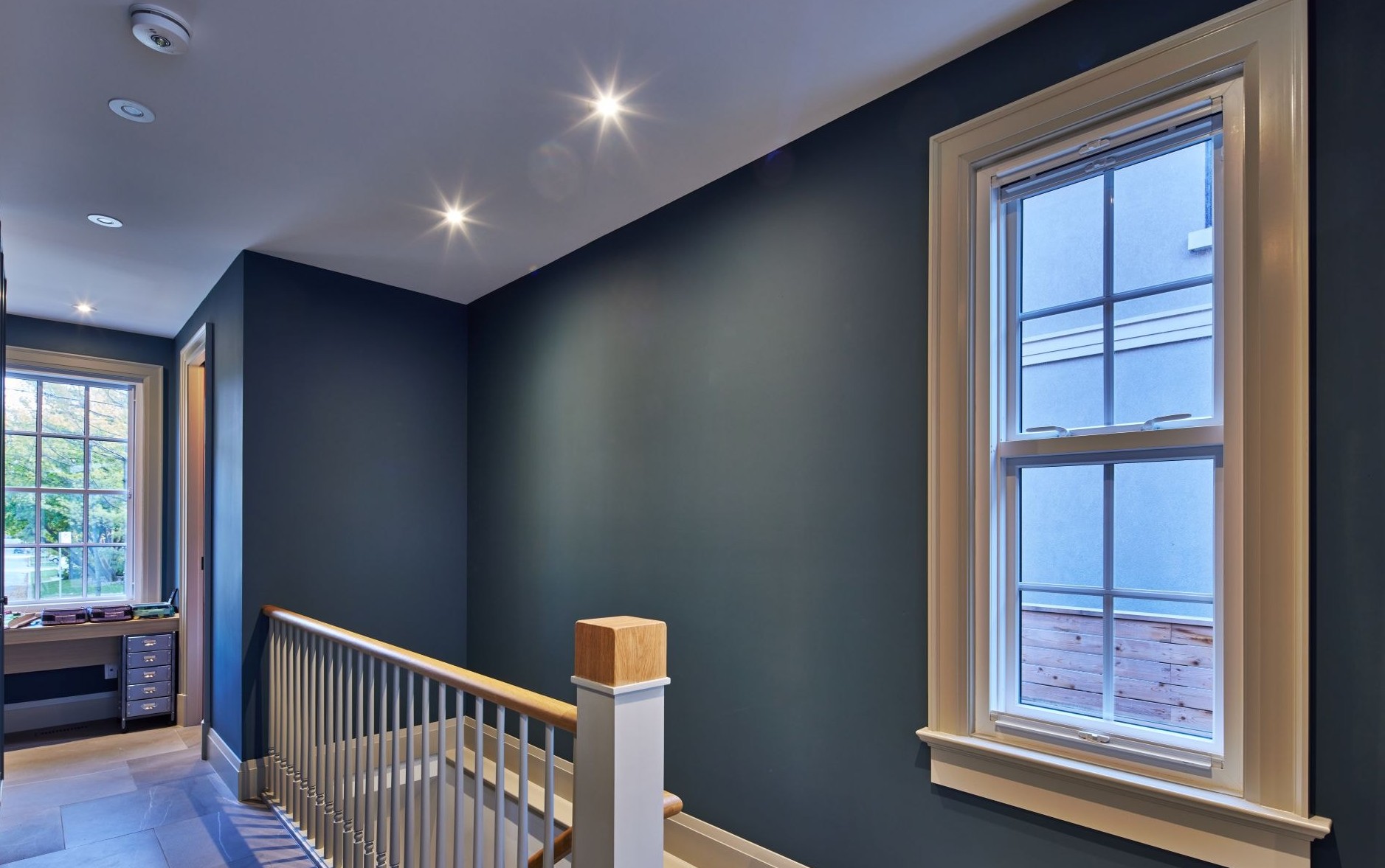
Double-hung windows feature two sashes that move independently within the window frame. Both upper and lower sashes slide up and down. Modern units typically include tilt-in sashes, allowing both panes to pivot inward for interior cleaning of exterior glass surfaces.
Double-hung windows are excellent for living rooms, dining rooms, bedrooms, and any upper-floor application where interior glass cleaning matters. They suit Colonial, Victorian, Craftsman, and contemporary architectural styles equally well.
Double-hung windows cost between $500 and $2,500, depending on quality, size, and materials.
Pros and Cons of Double-Hung Windows
3. Casement Windows
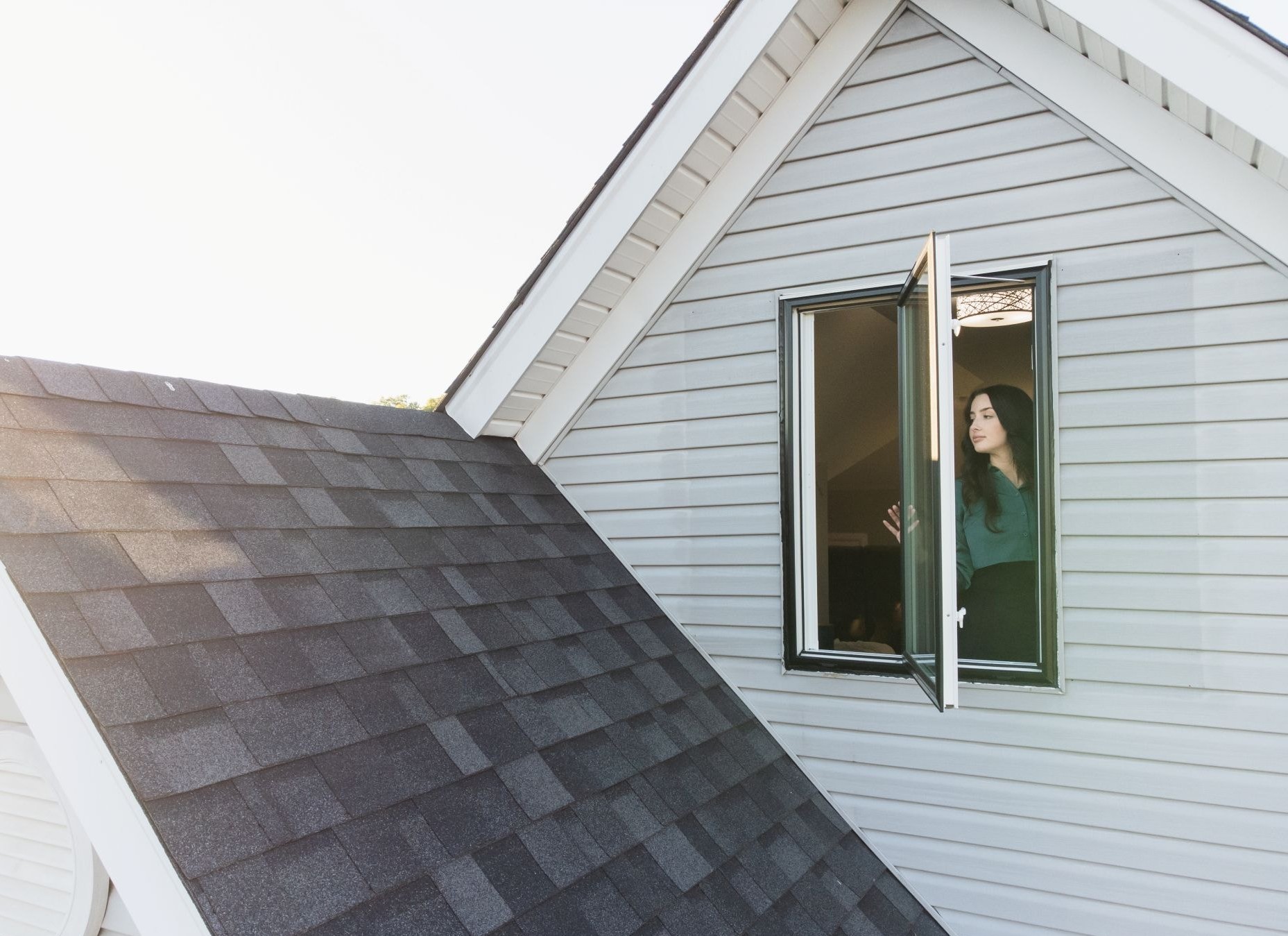
Casement windows are hinged on one vertical side and swing open outward like a door. They are typically operated by a crank handle that engages a multi-point locking mechanism. When closed, the sash is pulled tightly against the frame, creating an exceptionally tight air barrier.
There are two main types of casement windows:
- Single casement windows: a single casement window contains one window opening on a hinge along the side of the window. These are most commonly used in standard-sized windows in the bathroom, living room, or bedroom.
- Double casement windows: double casement windows feature two window panels that swing out independently of each other. The left window swings out to the left, and the right window swings out to the right.
Casement windows are excellent for hard-to-reach areas, such as above the kitchen sink, for bedrooms and living rooms, as well as for egress purposes.
Single casement windows cost between $500 and $2,500, depending on quality. Double casement windows cost between $800 and $5,000, depending on quality.
Pros and Cons of Casement Windows
4. Sliding (Slider) Windows
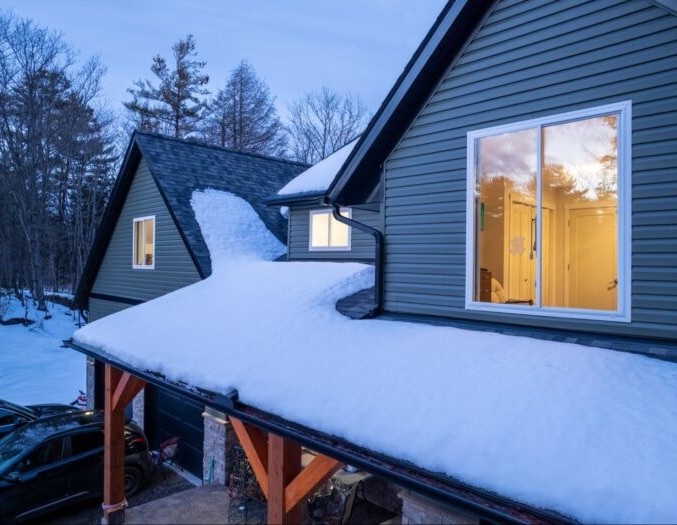
Sliding windows, also called slider windows or horizontal sliders, feature one or more sashes that move side to side along tracks.
Sliding windows come in the following styles:
- Single sliders: only allow one window pane/sash to slide open.
- Double sliders: allow two panes/sashes to slide open.
- Triple sliders: two operable sashes and one stationary sash.
Sliding windows are naturally suited to wide wall openings where expansive views matter and minimal window frame obstruction is desired. They work perfectly adjacent to patios, decks, balconies, and ground-level walkways where swinging sashes would create hazards.
Single sliding windows cost between $400 and $2,200, depending on quality. Double sliding windows cost between $500 and $2,500, depending on quality.
Pros and Cons of Sliding Windows
5. Awning Windows
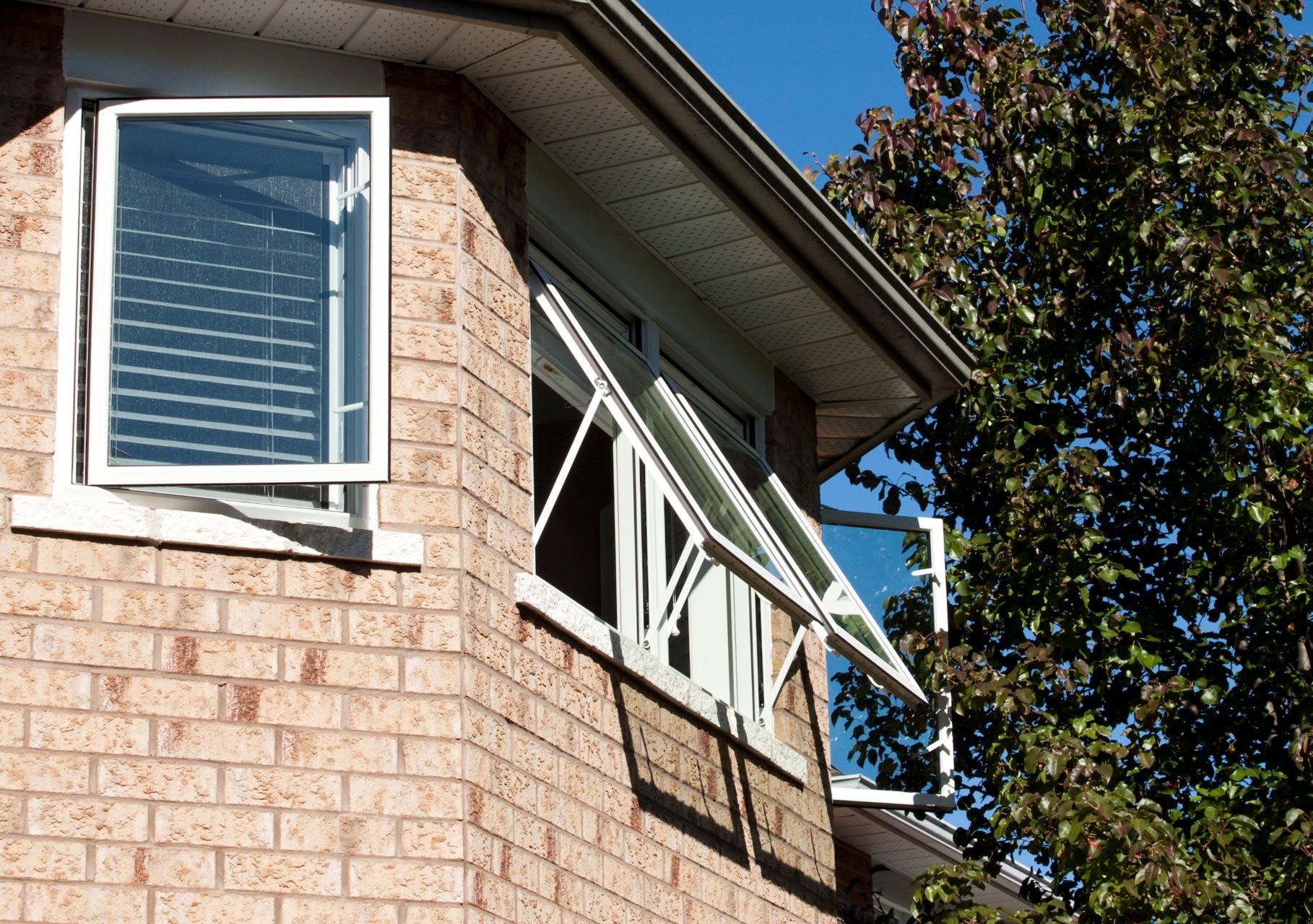
Awning windows hinge at the top and swing outward from the bottom, creating a sloped profile resembling an outdoor awning. Like casements, they operate via a crank mechanism that pulls the sash tight when closed. Awning windows can be kept open when it rains.
Awning windows excel in bathrooms, kitchens, utility rooms, laundry areas, and any space requiring continuous ventilation, regardless of weather. They also work well as clerestory windows and can be installed in basements that don't require egress windows. They're commonly installed below or above fixed picture windows.
Awning windows cost between $600 and $2,600, depending on quality, size, and materials.
Pros and Cons of Awning Windows
6. Hopper Windows
Hopper windows hinge at the bottom and swing inward, opening toward the room interior - like awning windows, but in reverse. They typically operate via a simple push-open mechanism or bottom-hinged crank.
Hopper windows work well in bathrooms, utility rooms, attics, and other utility spaces where ventilation matters more than views.
Hopper windows cost between $300 and $2,000, depending on quality.
Pros and Cons of Hopper Windows
7. Picture & Fixed Windows
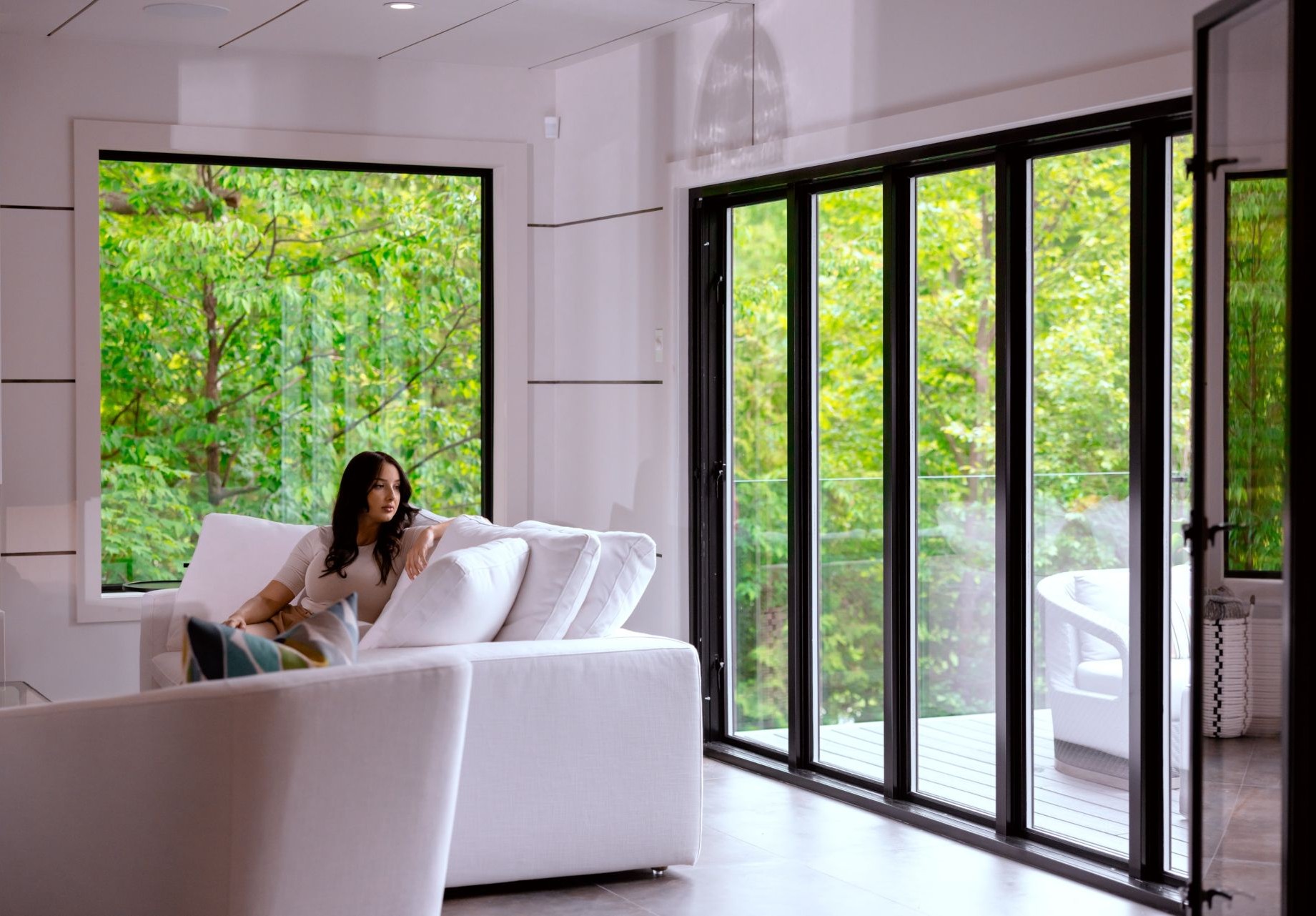
Picture windows are permanently sealed with no operable sashes, hinges, tracks, or mechanical hardware. The glass is securely adhered to the frame, creating a complete static assembly designed purely for viewing and light transmission. Unlike operable windows, fixed units cannot be opened for ventilation or emergency egress.
Picture windows are often installed in living rooms, dining areas, and any space where views and natural light are priorities. They're commonly used as the centerpiece of multi-window assemblies, flanked by casement or double-hung units for ventilation.
Picture windows cost between $300 and $3,000+, depending on quality, size, and materials.
Pros and Cons of Picture Windows
8. Bay Windows
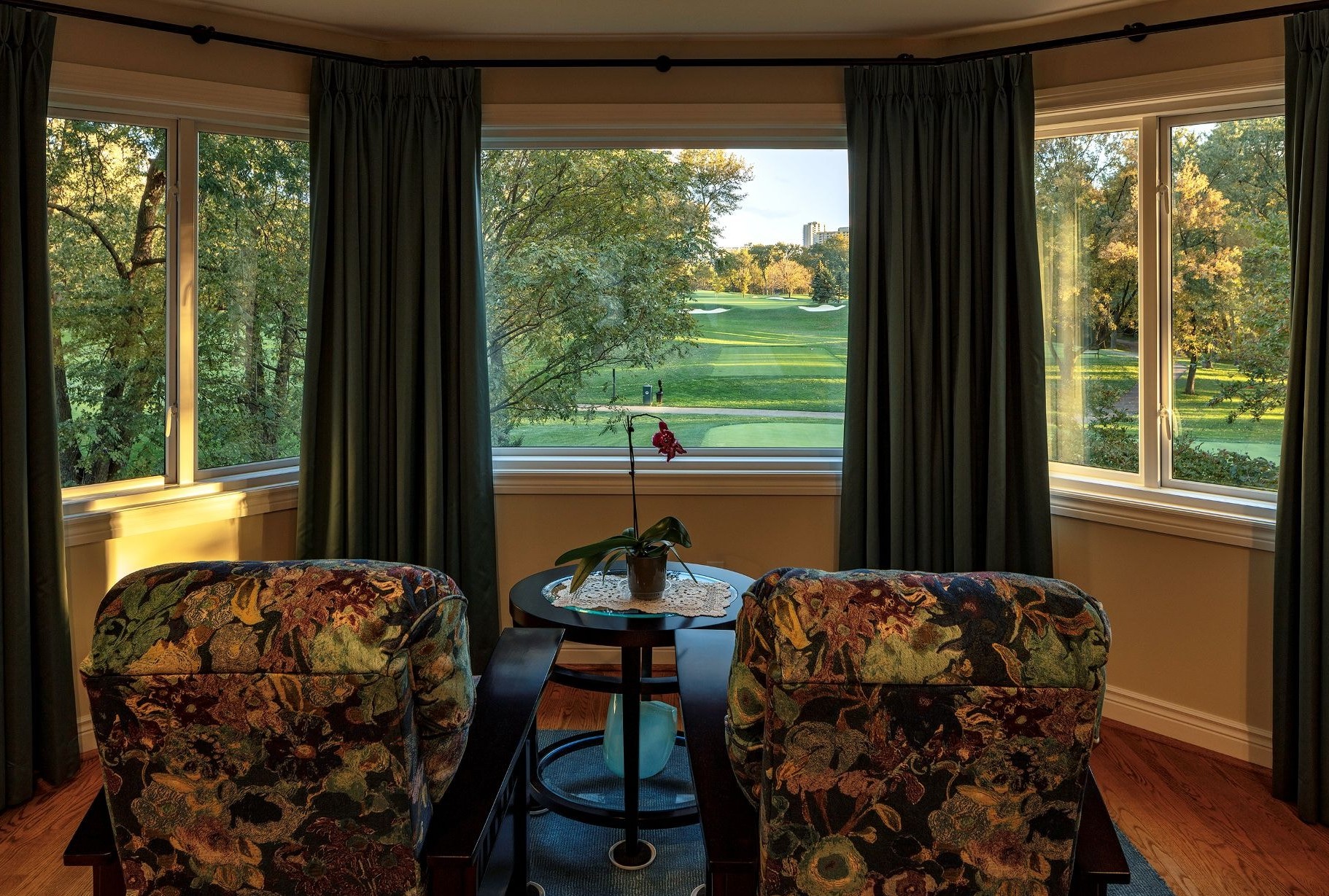
Bay windows project outward from the building's exterior wall and have three panels arranged in a polygonal shape. The classic configuration includes a large fixed center pane flanked by two narrower operable windows (casements or double-hungs).
Bay windows are installed in living rooms, dining rooms, master bedrooms, and any room where architectural interest and expanded interior space are desired. The interior nook works perfectly for reading benches, window seats, or display shelving.
Bay windows cost between $1,500 and $6,000, depending on quality, size, complexity, and materials.
Pros and Cons of Bay Windows
9. Bow Windows
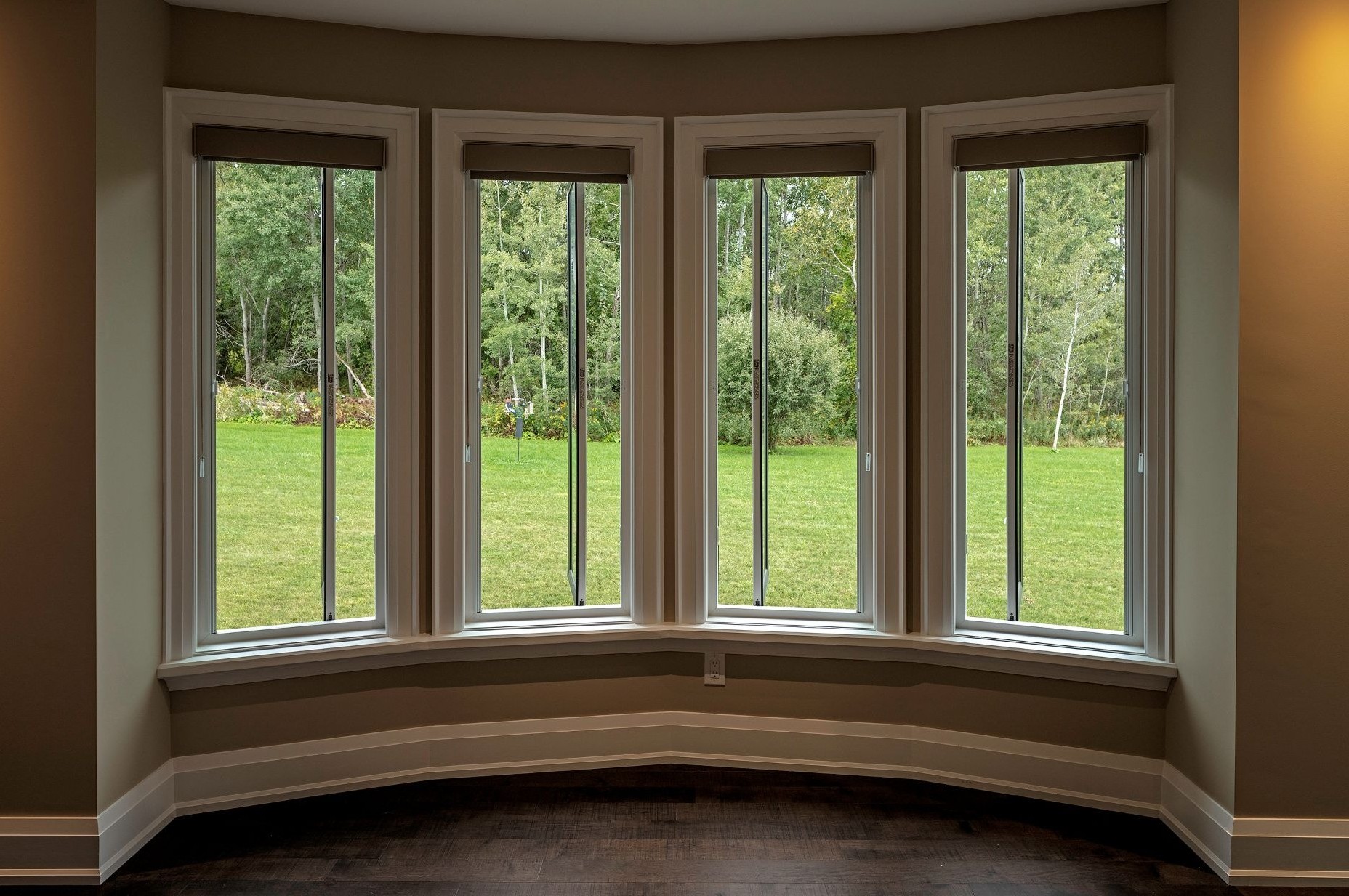
Bow windows are similar to bay windows, except that they are curved. Moreover, bow windows consist of four or more window panels. This creates a smooth, rounded projection on the exterior and a graceful curved nook inside.
Bow windows work in living rooms, dining areas, and master bedrooms where elegant, formal architectural details matter. The curved geometry creates distinctive interior spaces ideal for reading nooks, dining configurations, or display areas.
Bow windows cost between $2,500 and $6,000+, depending on size, number of panels, materials, and installation complexity.
Pros and Cons of Bow Windows
10. Skylight and Roof Windows
Skylights and roof windows are installed within the roof plane rather than vertical walls. They bring daylight into spaces that would otherwise lack exterior wall access. Fixed skylights transmit light only. Venting skylights have operable sashes that open manually via crank, pole, or motorized mechanisms. Modern units often integrate rain sensors that auto-close during precipitation, along with motorized blinds for light and heat control.
Skylights and roof windows are essential for finished attics, second-story bathrooms in townhouses, interior corridors and stairwells, kitchen islands, and any upper-floor space lacking convenient wall openings.
Skylights cost between $500 and $3,000+, depending on materials and quality.
Pros and Cons of Skylight Windows
11. Transom & Clerestory Windows
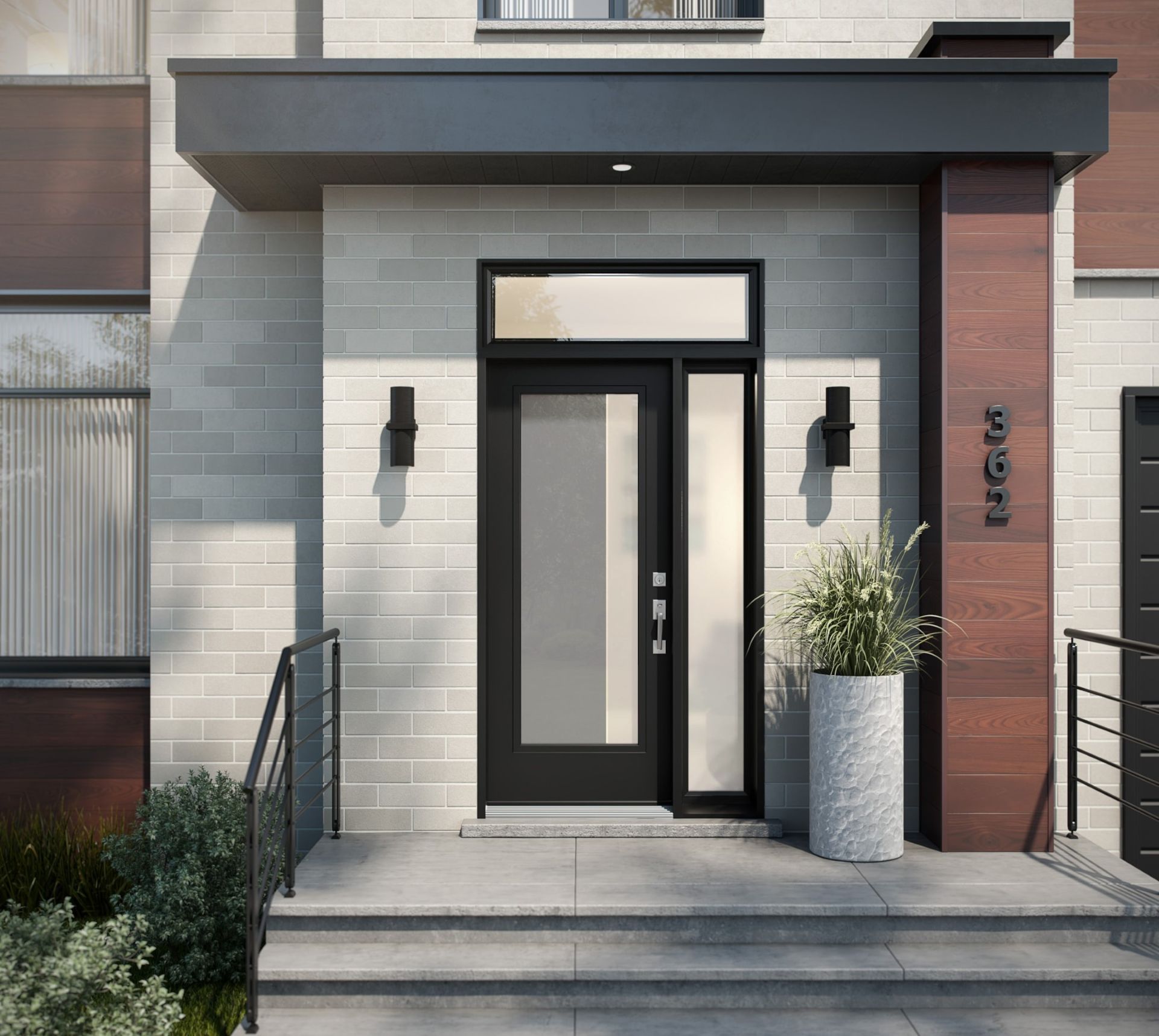
Transom windows are small windows mounted horizontally above doors or larger windows. Clerestory windows form continuous bands of glazing high on walls near the roofline. Both serve similar purposes: bringing natural light into interior spaces without reducing wall space for furniture, artwork, or cabinetry. Both can be fixed or operable.
Transom windows are most often installed above front doors, but they can work just as well alongside living room or dining room windows.
Clerestory windows are particularly effective in contemporary homes with tall ceilings, modern open-concept plans, and commercial applications.
Transom windows cost between $300 and $1,000, depending on size and model. Clerestory windows cost between $400 and $2,500+, depending on width and materials.
Pros and Cons of Transom Windows and Clerestory Windows
12. Sidelights
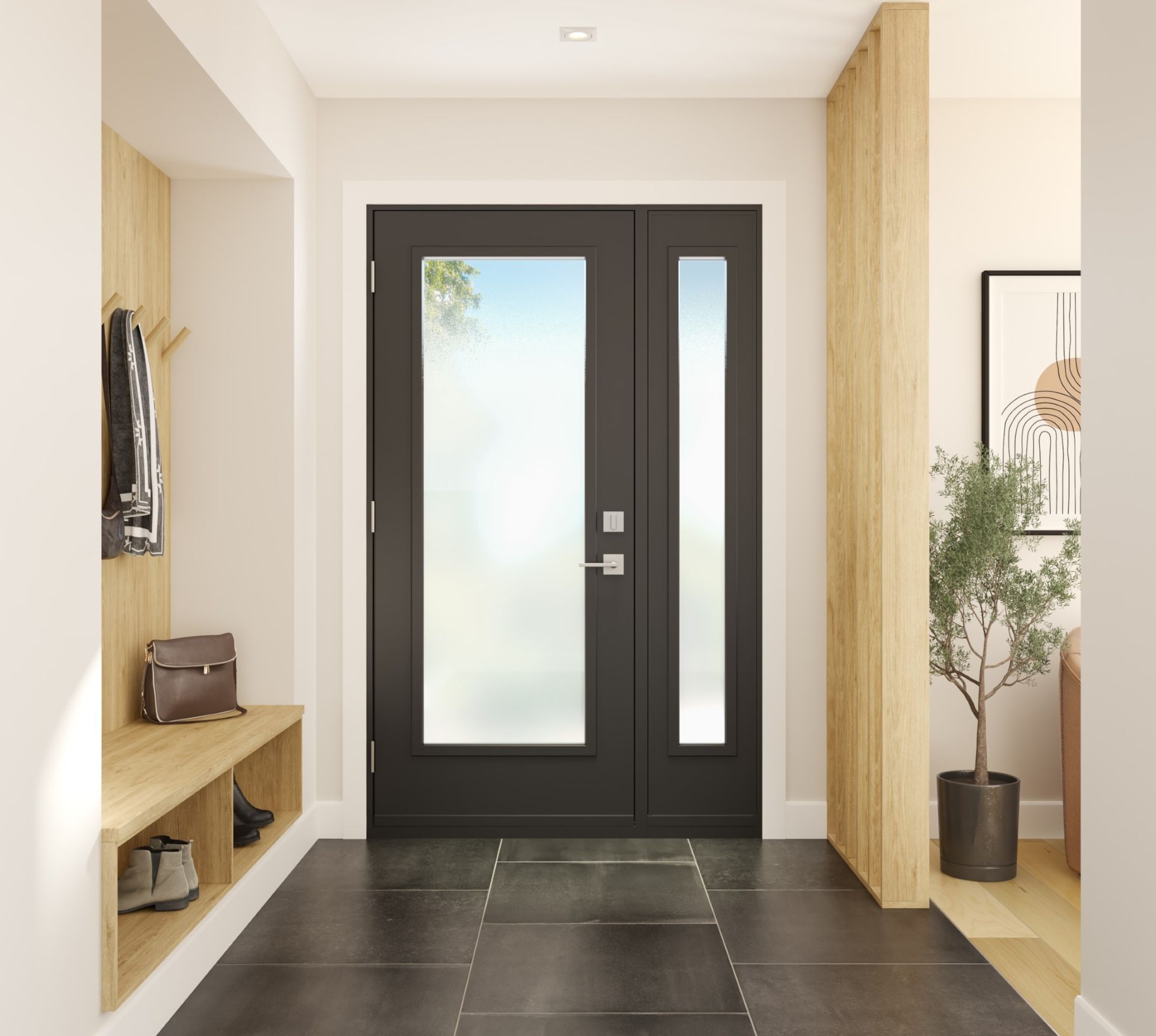
Sidelights are vertical windows installed on one or both sides of an entry door, framing the doorway with additional light and visual interest. Fixed sidelights transmit light only and do not open. Some high-end sidelights include operable casement or hopper configurations, though this is less common.
Sidelights are typically manufactured as an integrated unit with the door, though some can be replaced independently.
Sidelights cost between $300 and $600 per unit installed. Full pre-hung door-and-sidelight assemblies with quality materials cost between $2,500 and $10,000+ installed.
Pros and Cons of Sidelights
13. Arched & Round Windows
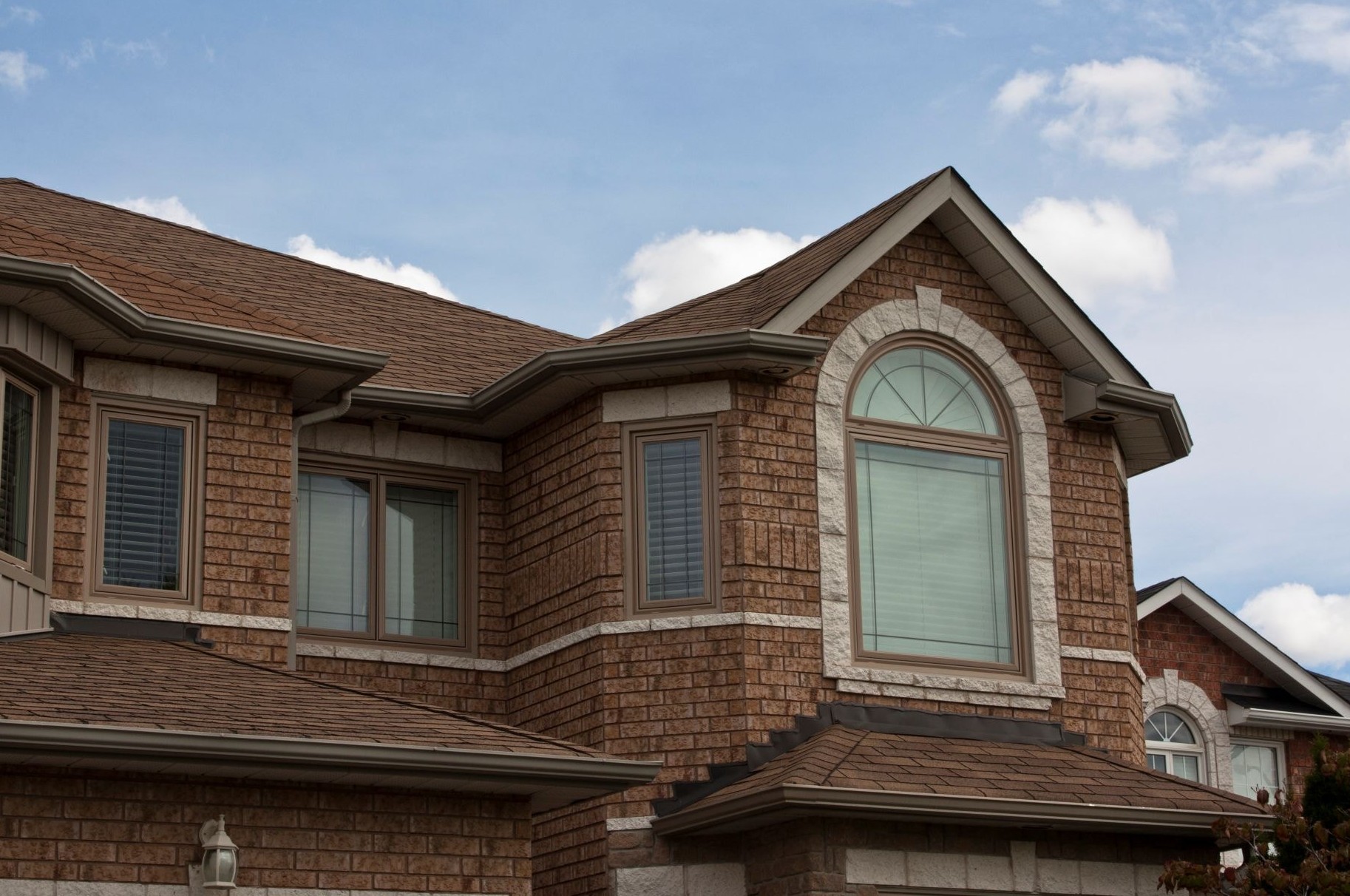
Arched windows feature curved glass panels that crown entryways, windows, or wall sections, echoing Mediterranean, Romanesque, or Gothic architectural influences. Round windows (sometimes called porthole windows) are completely circular, adding nautical character. Both are fixed (non-operable) unless custom mechanisms are designed.
Arched windows are often installed above entryways, as a focal point in formal dining rooms, or on top of existing rectangular windows. Round windows suit staircases, bathrooms, attic spaces, or bedrooms seeking distinctive character.
Arched windows cost between $500 and $2,000+. Round windows cost between $400 and $2,000+. The final price depends on size and materials.
Pros and Cons of Arched and Round Windows
14. Jalousie Windows
Jalousie windows have multiple horizontal glass louvers (slats) mounted in a frame. They are similar to exterior venetian blinds but with glass instead of slats. The louvers are mounted on hinges or pivots, opening outward when a central crank or lever is turned.
Jalousie windows are recommended only for hot climates. They're ideal for porches, sunrooms, garages, utility spaces, and any application prioritizing maximum air flow over air conditioning efficiency.
Jalousie windows cost between $400 and $600.
Pros and Cons of Jalousie Windows
15. Dormer Windows
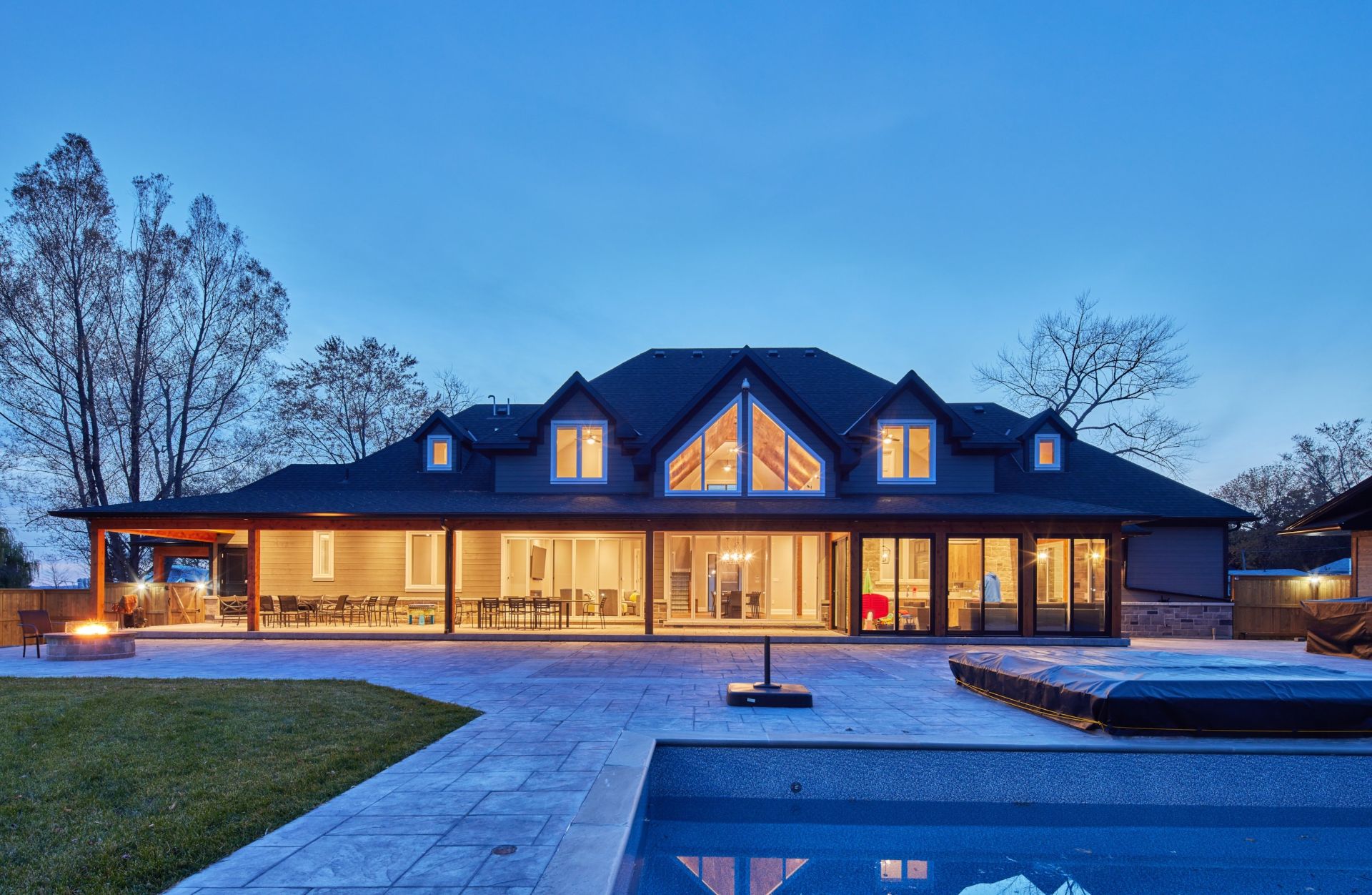
A dormer is a structural projection from the roofline that includes one or more windows. The dormer window itself operates like a standard casement, double-hung, or awning window. The entire dormer structure, including framing, roof, flashing, and walls, must be built as an integrated assembly. Common dormer window styles include gable (peaked roof), shed (flat roof), hipped, and eyebrow styles.
Single-window dormer installations start at around $1,500 for basic configurations. Larger or multiple-window dormers range from $3,000 to $6,000+.
Pros and Cons of Dormer Windows
16. Tilt & Turn Windows
Tilt-and-turn windows combine two operating modes in one unit: the window can tilt inward from the top (like a hopper window), or swing fully open on side hinges (like a casement). A single handle controls both modes: turning it one direction tilts the window; another direction swings the sash full open. This European design originated in Germany and has gained popularity in North America among energy-conscious homeowners valuing fresh air control.
Tilt and turn windows cost between $700 and $2,000+, depending on size and window frame materials.
Pros and Cons of Tilt and Turn Windows
17. Glass Block and Privacy Windows
Glass block windows comprise thick glass blocks mortared together like masonry, forming translucent but not transparent assemblies. Their patterned surface blurs images while transmitting light. Most glass block windows are completely fixed and immobile. However, some manufacturers offer integrated small vents (casement or hopper inserts within the glass block field) for ventilation.
Glass block windows are usually installed in basements, shower enclosures, and utility spaces.
Glass block windows cost between $400 and $1,500+.
Pros and Cons of Glass Block Windows
18. Specialty Windows
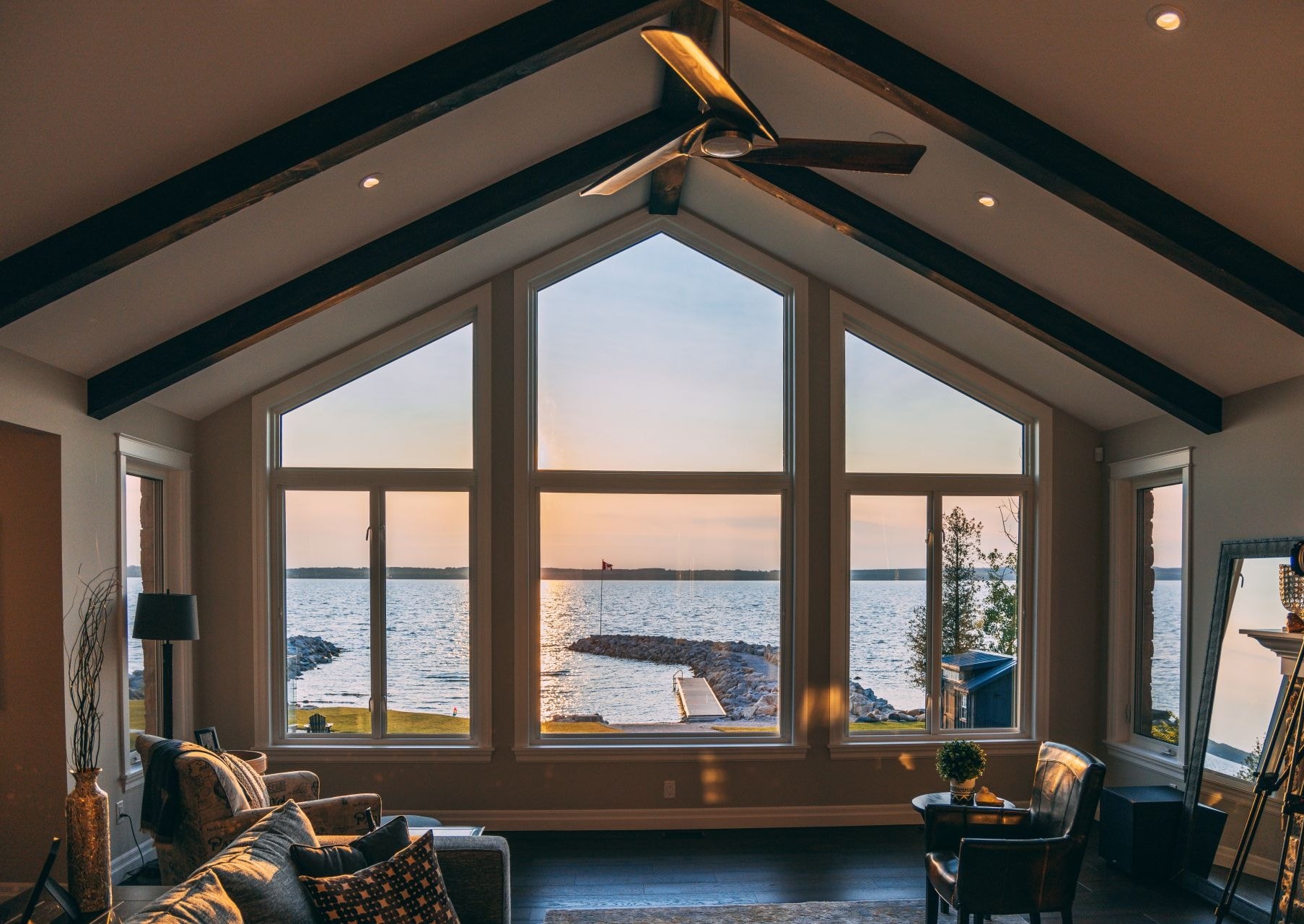
Specialty windows break from standard rectangular forms: we're talking circles, half-rounds, triangles, octagons, trapezoids, hexagons, and virtually any custom-designed shape imaginable. Most custom windows have fixed panes (non-operable) due to the mechanical complexity of installing hinges or seals in non-rectangular shapes.
Custom-designed windows cost between $600 and $5,000+, depending on size, shape, and materials.
Pros and Cons of Specialty Windows
19. Egress Windows
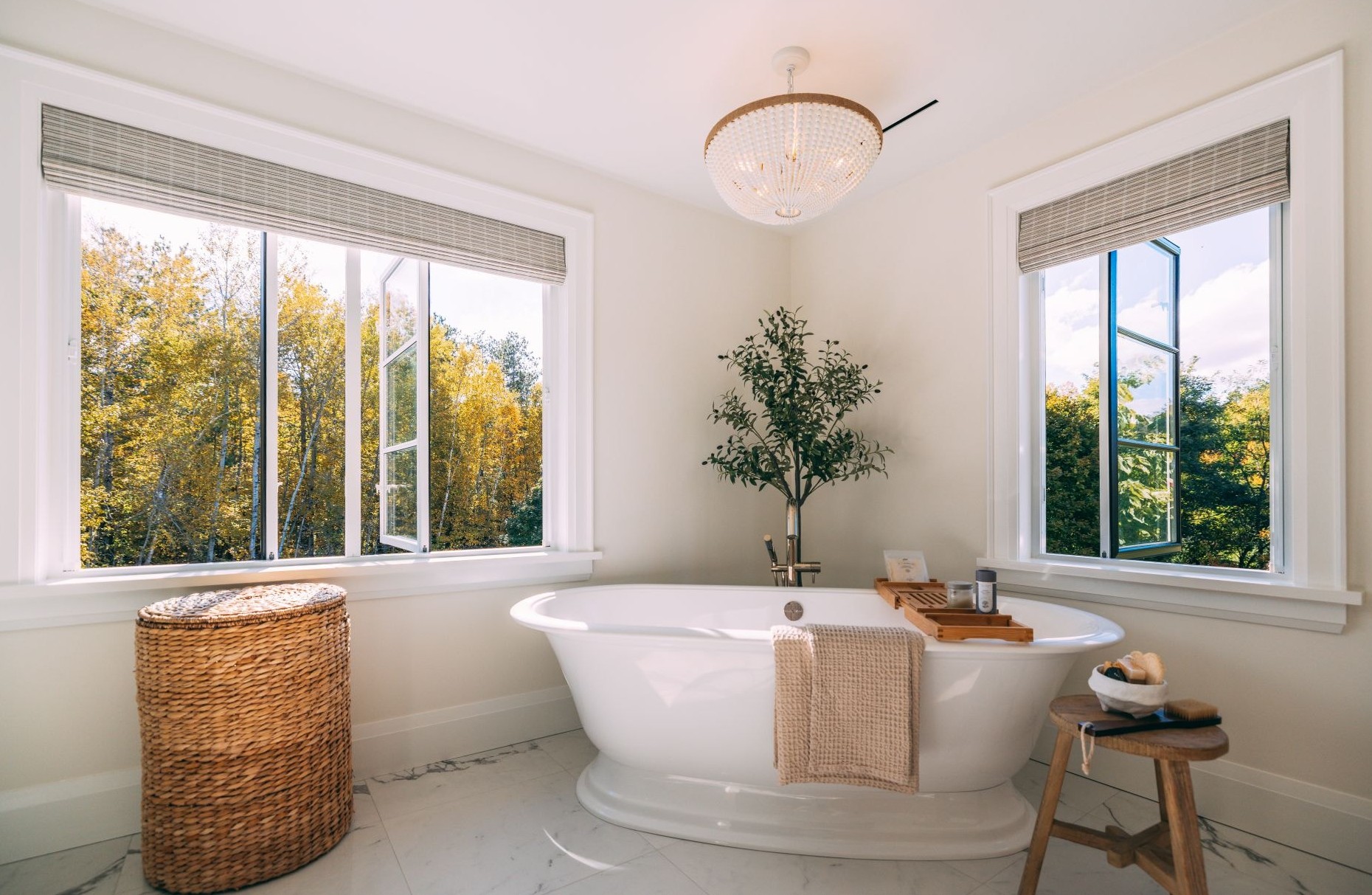
An egress window is any window that meets building code requirements for emergency escape. For example, a casement window that meets minimum egress requirements is an egress window. Awning and hopper windows usually do not qualify as egress because they typically open up only to a 45-degree angle, so they don't provide enough clearance.
Egress windows are required in finished basement bedrooms and any habitable space. They're essential for safety, legal compliance, and insurance purposes. Check local building codes before installing windows, as requirements vary by jurisdiction.
The price of egress windows depends on the type of window you're installing and its size. Besides the window price, you should also consider the price for installing a window well and a drainage system if the window is in the basement.
Pros and Cons of Egress Windows
Planning to Replace Your Windows? Turn Your Ideas into Reality with Magic!
Ready to replace your old windows? Here's why Magic is a top window company in Toronto:
- With Magic, you can get windows of any shape and any size. We're actually eager to work on unique projects, given that all our units are manufactured right here in Ontario, and we can personalize them however you want!
- Magic’s casement windows are crank-less and hinge-less! Our casement windows feature the revolutionary Parallex hardware system that makes cranks obsolete.
- Both sashes in our double sliders can be opened simultaneously since they feature a tilt-in function that allows you to open them inwards at a 90-degree angle.
- Our window units are built specifically for the climate in Toronto and can withstand the freezing winters and the humid summers, being ENERGY STAR rated.
- Magic offers professional installation and a 40-year warranty on window units - after all, quality windows only perform as designed if they're installed correctly!
If you're comparing quotes or just starting to plan a window project, reach out to Magic today to get high-performing and aesthetically pleasing new construction windows!
FAQs
What are the types of windows for homes?
Common window types for homes include single-hung, double-hung, casement, sliding, awning, bay, bow, picture, and specialty shapes. Each type serves different needs for ventilation, light, and architectural style.
Which window is best for a home?
There is no single “best” window, as the ideal choice depends on climate, budget, energy efficiency goals, and aesthetic preferences. Double-hung and casement windows are often favored above others for their versatility and performance.
What are the 4 main types of windows?
The four main types of windows are hung windows, casement windows, awning windows, and sliding windows. These cover most residential needs for ventilation, ease of use, and cost efficiency.
What do you call a 3 panel window?
A three-panel window might be a sliding window or a bay window, depending on design.
What are those windows that stick out called?
Windows that project outward from the house are called bay windows or bow windows. They add interior space, allow natural light, and enhance curb appeal.
What are up and down windows called?
Up-and-down windows are called single-hung or double-hung windows. In single-hung windows, only the bottom sash moves, while in double-hung windows, both sashes move.
Which type of windows is better?
The “better” window type depends on priorities such as energy efficiency, ventilation, maintenance, and style. For example, casement windows often seal better for energy efficiency, while double-hung windows offer easier cleaning and traditional appeal.